Food
Buying Catalan Olive Oil: Labels, Markets and Farm Visits
How to read Catalan olive-oil labels, taste before buying, plan a cooperative visit, store bottles, and budget for a useful food souvenir.
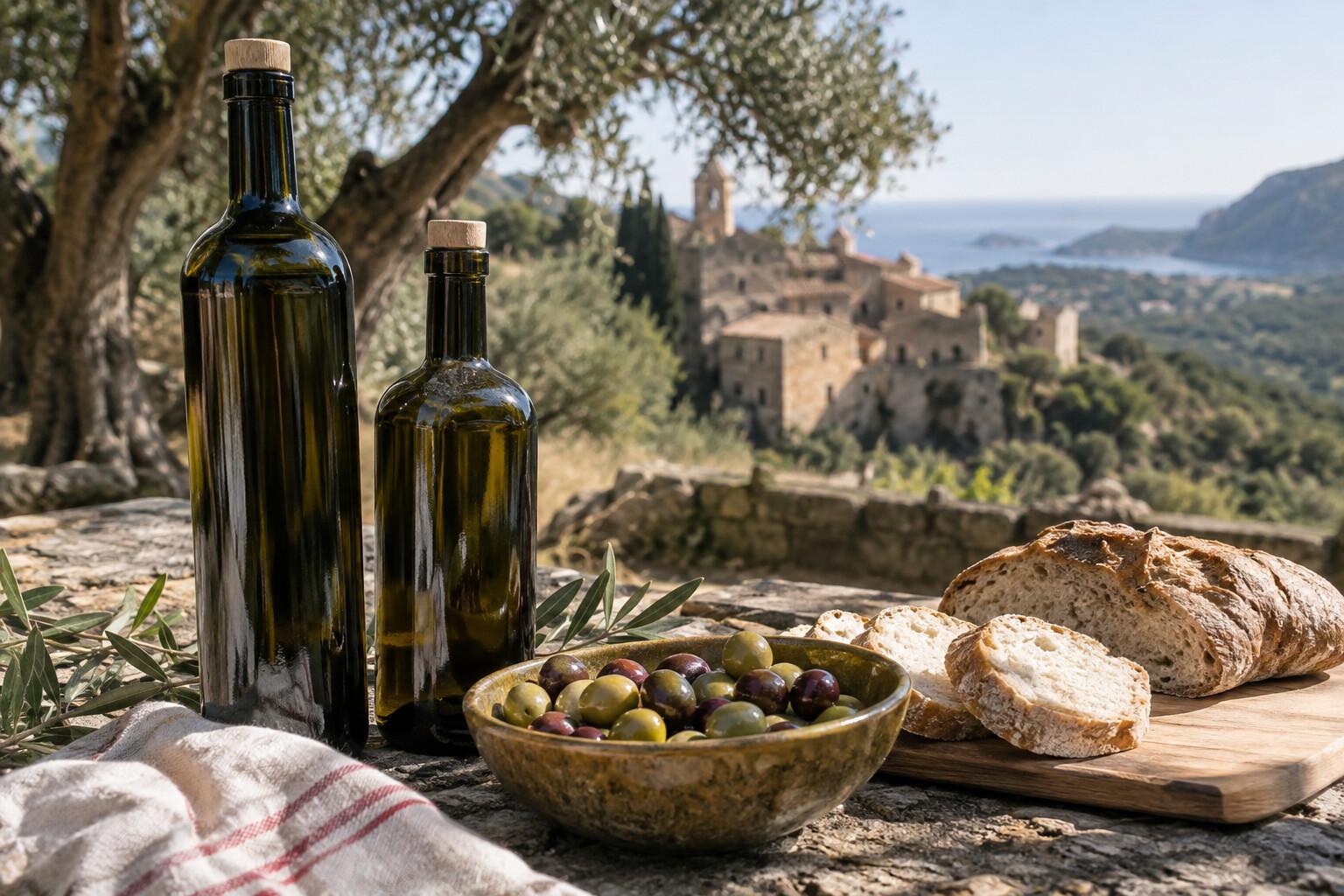
The best Catalan olive oil souvenir is not the most decorative bottle. It is a fresh oil in a light-protective container, with a producer, harvest information, and flavor you have actually tasted. Buy for how you cook: a peppery oil for finishing beans and toast may be less useful for someone who wants a gentle everyday pour.
The Generalitat maintains the official framework for protected designations and quality labels. A DOP identifies origin and production rules; it does not rank every bottle within or outside the designation.
Start with extra virgin, then read past it
“Extra virgin olive oil” describes a regulated grade, not a Catalan place. Look for the producer or cooperative, the stated origin of the olives, bottle or lot details, and a best-before date. A harvest date is especially helpful when present. Vague Mediterranean imagery tells you less than a plain back label.
Dark glass or metal protects oil from light. Clear presentation bottles need careful storage and quick use. Large tins can offer good value for a household that cooks often, but a traveler should calculate luggage weight and how the container will survive the journey.
Arbequina is a starting point, not the whole shelf
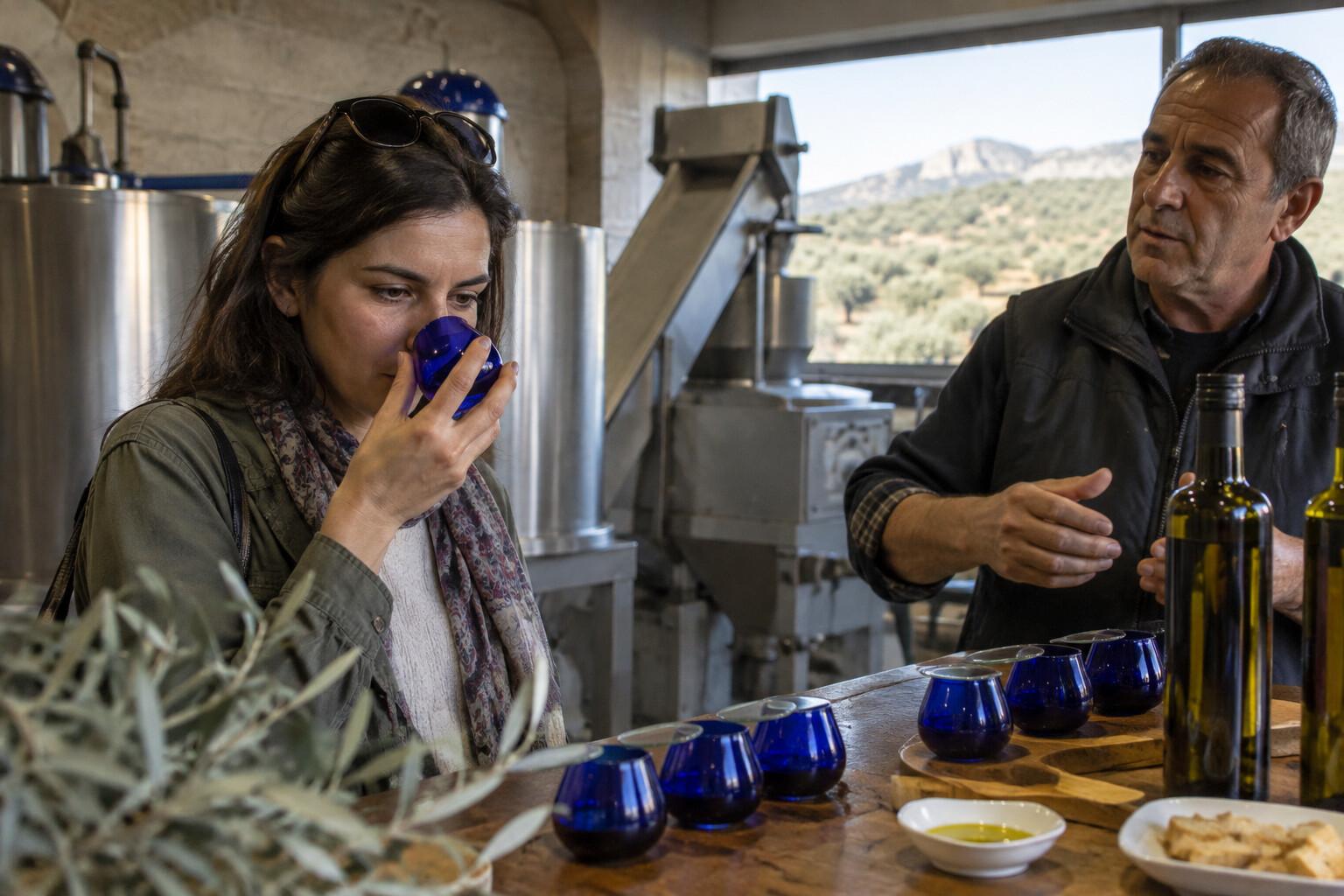
Arbequina is widely associated with Catalan oil and often gives a softer, fruity profile, though harvest timing and milling change its bitterness and pungency. Other local varieties and blends can be greener, more assertive, or better suited to cooking. Taste without bread first if the producer offers a formal tasting, then try the oil with food.
Warm the tasting cup in your hand, smell, sip a small amount, and notice fruit, bitterness, and the peppery sensation in the throat. Pepper is not a defect. Rancid, waxy, or stale-nut impressions are reasons not to buy, no matter how rustic the label looks.
A cooperative visit needs an appointment
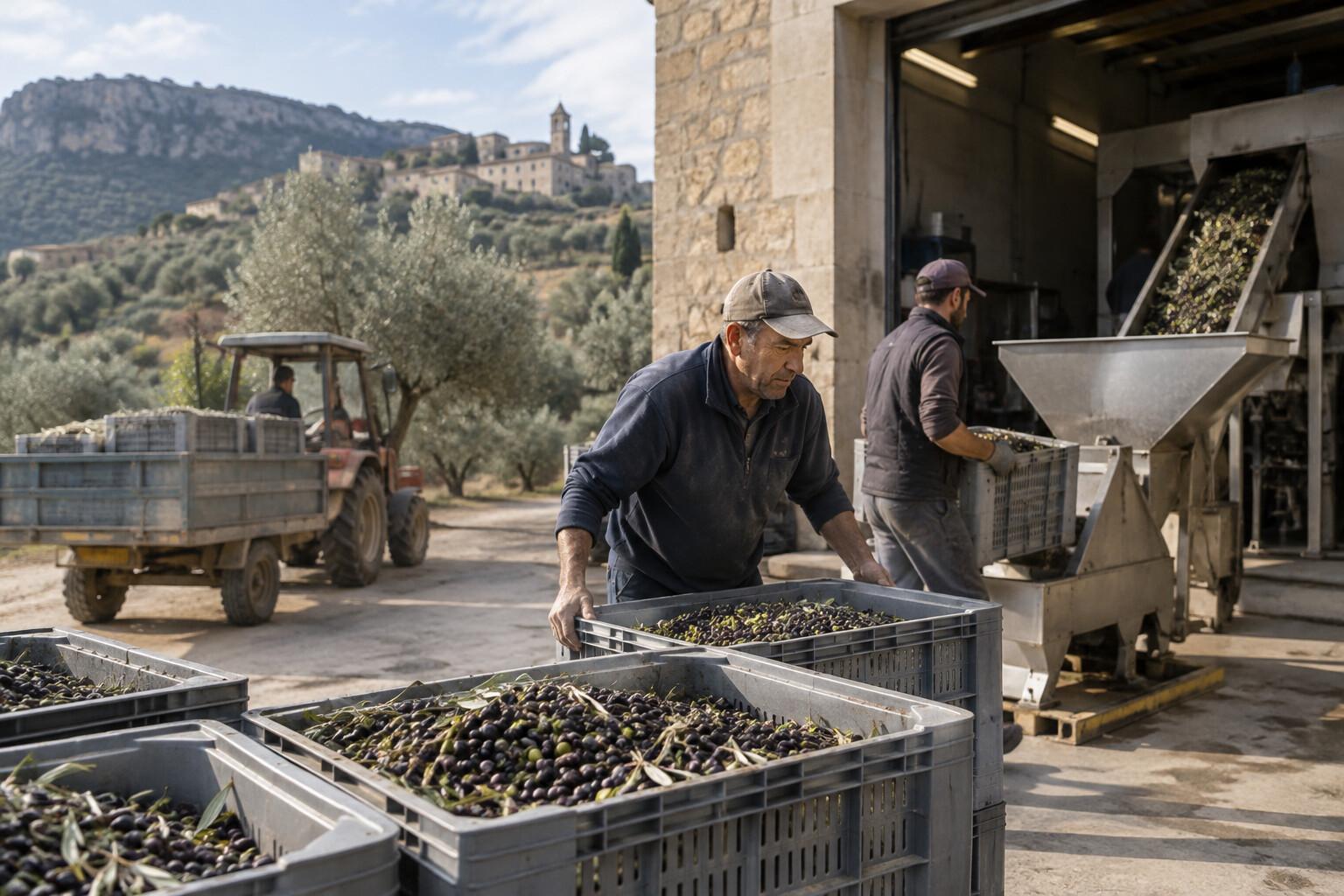
Oil towns in Les Garrigues, Siurana country, and the Ebro lands may have cooperative shops, mills, and seasonal visits. Opening hours can be narrow, especially outside harvest events. Contact the producer, ask whether the mill operates during your date, and confirm the language and length of any tasting.
Compare rental cars for an inland producer day only after plotting the cooperative, lunch, and return. The driver should taste tiny amounts and avoid adding wine stops to an oil route.
From Tarragona or Reus, one producer and one village lunch make a complete day. From Lleida, focus on Les Garrigues rather than attempting to cross several oil regions. Keep bottles out of a hot parked car; summer boot temperatures undo careful buying.
Set a bottle budget before the tasting
Use roughly €8–16 for a 500 ml bottle of sound everyday extra virgin oil and €15–28 for limited, early-harvest, organic, or presentation oils as broad planning ranges. Farm shops may also sell larger tins. These are editorial allowances, not official price bands, and a small producer can reasonably fall outside them.
Ask whether the tasting fee is included with purchase and whether the shop packs for air travel. Airline liquid rules normally put full-size oil in checked luggage. Seal the bottle in a bag, cushion it inside clothing, and keep the receipt and product label.
Markets are useful when comparison matters
A staffed food market lets you compare regions without driving. Ask for an oil suited to pa amb tomàquet, salad, finishing fish, or general cooking. A good seller can explain why two bottles differ and offer a smaller size. Avoid buying solely from a tourist-souvenir shelf that cannot identify the producer.
At home, store oil closed, cool, and dark—not beside the hob or on a sunny counter. Open the special bottle and use it; olive oil is food, not a vintage to age indefinitely. The successful purchase is the bottle that makes an ordinary tomato or bowl of beans taste recognizably better.
If you are driving between producers, check the shop's opening day before setting out: a cooperative may serve its local customers on a different rhythm from a tourism office. One confirmed stop is more useful than a route built from several unverified map pins, especially in harvest season when tastings and shop counters can change at short notice.
Related guides
- Tarragona Central Market: A Morning of Shopping and Eating
Shop Tarragona's Mercat Central without obstructing its working morning, then turn a few local purchases into breakfast, lunch or a safe journey home.
- Beyond La Boqueria: How to Visit Catalan Food Markets Well
Shop La Boqueria and neighbourhood markets as working food halls, with better timing, useful vocabulary and a seasonal picnic plan.
- Catalan Cheese Buying Guide: Markets, Styles, and Prices
Build a Catalan cheese board by milk, texture and maker, then carry it home without losing the story—or the cold chain.
Are you in the know?
Receive new articles, local updates, and occasional offers from selected partners. We never share your email address. Unsubscribe at any time.
By subscribing you agree to our privacy policy.