Food
Tarragona Central Market: A Morning of Shopping and Eating
Shop Tarragona's Mercat Central without obstructing its working morning, then turn a few local purchases into breakfast, lunch or a safe journey home.
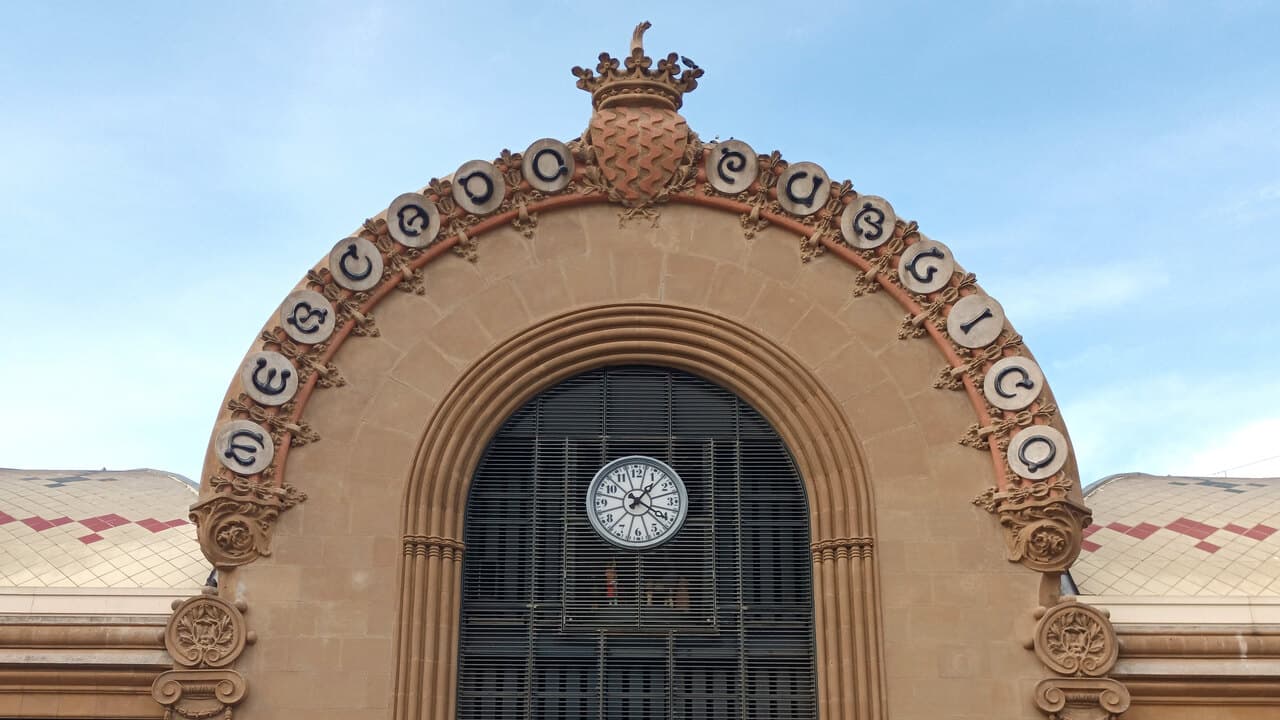
The most useful time to enter Tarragona’s Mercat Central is between about 09:00 and 10:30. Fish and produce counters are working, the lunch question is still open, and you can look before deciding what will survive the rest of your day. Arriving later is not a mistake—the building stays open into the evening—but a long public timetable does not mean every fresh counter keeps identical hours.
Make one choice before you go in: are you shopping for something to eat now, ingredients for a kitchen, or gifts to carry home? Trying to do all three usually produces too much food and a bag of cheese warming through a Roman-sightseeing afternoon.
Give the market ninety minutes, not a photo stop
The market stands on Plaça Corsini, just below Rambla Nova. Its Modernista shell dates from 1915, while the refurbished market reopened in 2017. The official Mercat Central page lists 41 stalls, four entrances and a published opening span of Monday–Saturday, 08:30–21:00. It also identifies the working mix: fruit and vegetables, meat, cured products, poultry, fish and seafood, salted fish, cheese, prepared dishes and places to eat.
Treat that list as possibilities rather than a tasting entitlement. Begin with one complete circuit. Read prices, notice what is seasonal and let regular shoppers reach the counter. If you want a photograph of a vendor or a close view of the display, ask first; the wide iron-and-glass interior can be photographed without turning anybody into an exhibit.
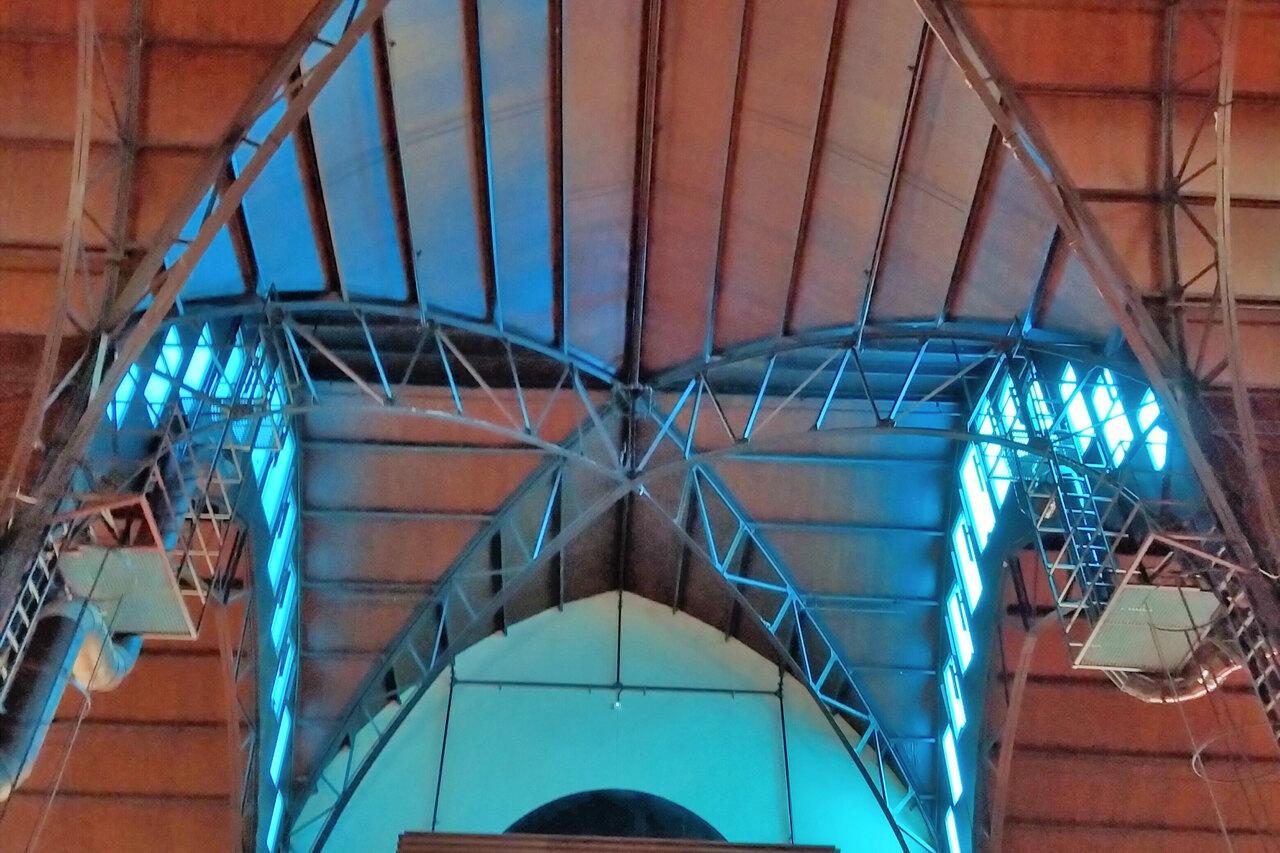
The building itself deserves five quiet minutes. Josep Maria Pujol de Barberà designed a rectangular hall with three naves, iron columns and large windows. Tarragona Tourism’s market guide also explains the façade’s carillon figures, which perform at noon and 18:00. Do not delay a fresh-food morning solely for the clock, but use noon as a neat endpoint if it coincides with lunch.
Buy in the order food needs to travel
Start with produce and dry goods. Tomatoes, nuts, dried fruit, rice, conserves, olive oil or sealed local products tolerate deliberation better than raw fish. Check the label and packaging if the purchase will cross a border; a friendly market conversation does not override the destination country’s customs rules.
Move next to charcuterie and cheese. Tell the vendor when you expect to eat the product and whether you have refrigeration. Ask for vacuum packing only if the stall offers it, and remember that sealing does not make a perishable product safe at room temperature. For a hotel-room supper, buy a quantity you can finish that evening and add bread, fruit and something pickled rather than assembling a feast without plates or storage.
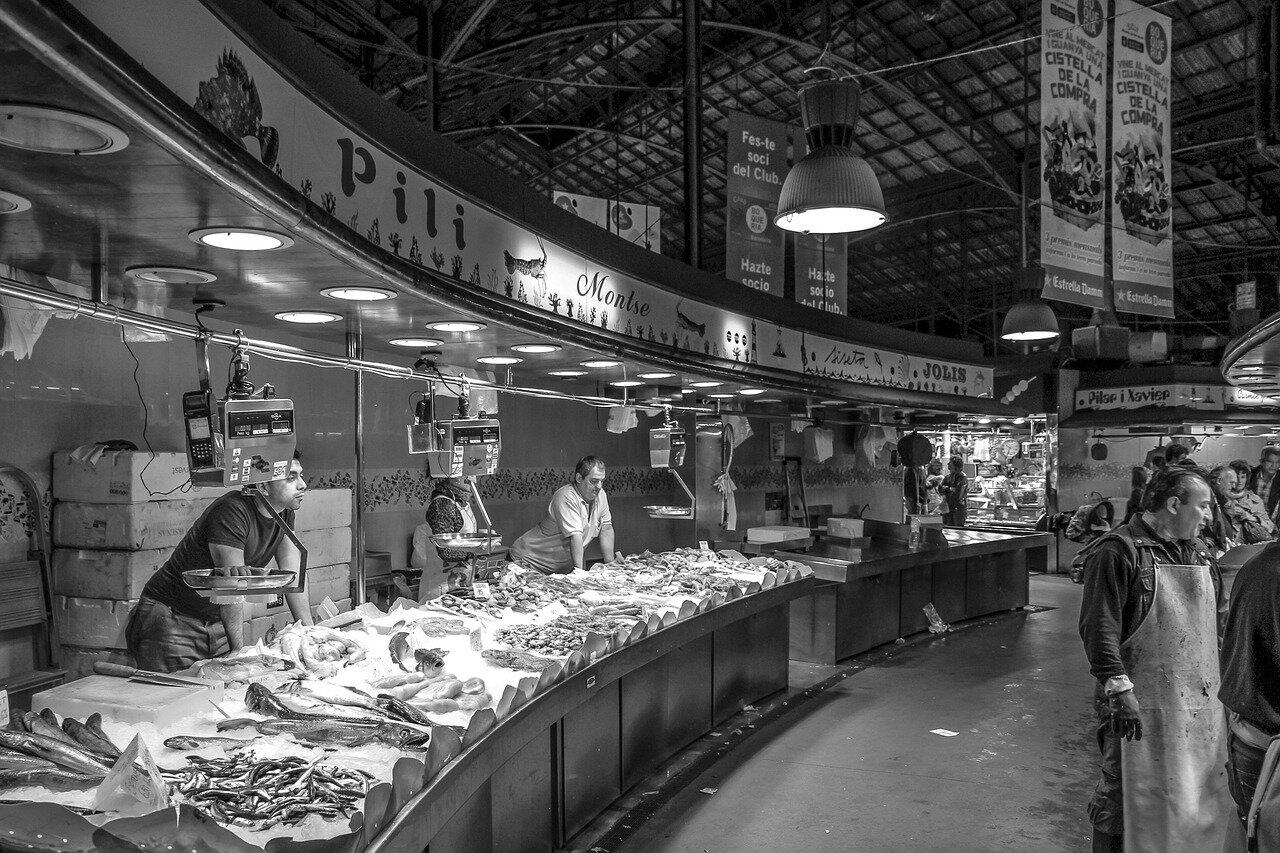
Leave fish and meat until last. These counters are worthwhile even when you cannot buy: species names, sizes and prices tell you more about the local table than a generic “Mediterranean cuisine” menu. If you do have a kitchen, explain how many people you are feeding and how you plan to cook. A fishmonger can suggest a suitable whole fish, fillets or shellfish and prepare it accordingly.
Raw seafood should go directly to reliable refrigeration. A locker, shaded car boot or air-conditioned hotel reception is not a cold chain. If the market sits at the beginning of a full sightseeing day, admire the fish and order it cooked at lunch instead.
Taste Tarragona without demanding free samples
A market breakfast can be modest: coffee, bread with tomato, a small pastry or a prepared savoury item where seating and service are clearly offered. Pay for a portion rather than moving between counters asking to “try” products. Samples are an invitation, not a visitor right.
For a simple tasting basket, choose one cured or preserved product, one cheese, bread and seasonal fruit. Ask for the smallest practical quantity and say per menjar avui—to eat today—if that is the plan. With two people, €12–25 can cover a light shared selection; prepared food and drinks raise the total. These are planning allowances, not market tariffs.
Tarragona’s relationship with the sea is visible at the fish counters, but “local” still needs a question. Ask what arrived from the nearby coast and what is in season. A species can be sold in Tarragona without having been landed at Tarragona. Vendors who answer precisely make the distinction more useful than a souvenir label ever could.
Allergy conversations need the same precision. Fruits secs means nuts; llet and formatge identify dairy; salted-fish and prepared-food counters may use shared utensils. If cross-contact would be dangerous, explain that directly rather than relying on the appearance of a dish.
Make lunch answer the morning’s evidence
There are three sensible lunch endings.
First, eat at a counter or bar in the market when the day’s offer looks strong and seating suits the group. Ask what is available now, not what appears in an old photograph or review. Second, take a short walk around the central streets and order a menu that names its fish, vegetables or rice clearly. Third, continue to the Serrallo fishing quarter when you want the harbor setting and a more substantial seafood meal.
The Serrallo is not an automatic upgrade. It adds a walk or short transfer and can turn a focused market morning into an overfilled food itinerary. Go because you want the port context, not because every visitor must eat beside a boat.
If you bought cheese, charcuterie or prepared food, tell the lunch kitchen before opening it at the table. Restaurants generally do not exist to provide plates for outside food. Save purchases for a picnic in an appropriate place or for later accommodation.
A practical route from station to old town
From Tarragona’s conventional rail station, climb toward Rambla Nova and Plaça Corsini; allow about 15–20 minutes with gradients and luggage. Travelers arriving at Camp de Tarragona AVE station need a separate onward connection—the high-speed station is outside the walkable center. Do not type only “Tarragona station” into a route search and assume both are interchangeable.
After the market, Rambla Nova makes the natural line toward the Balcó del Mediterrani or the Part Alta. Carrying a bottle of oil is manageable; carrying fish through the archaeological circuit is not. If the market is a priority, an overnight in central Tarragona removes the luggage and refrigeration problem and lets you return for purchases after sightseeing rather than before it.
When the intended counter is closed
A closed shutter does not invalidate the visit. Stallholders take holidays, fresh stock sells out and individual schedules differ from the building’s published hours. Buy a shelf-stable product from an open specialist, ask where to eat the ingredient locally, or leave without purchasing. The market’s value is not measured by the weight of the bag.
On Sunday or a public holiday, assume the municipal market is closed unless the current official calendar says otherwise. Build the morning around a bakery, café and city walk, then return on a trading day. If time permits only an afternoon visit, use it for prepared food, cheese or dry goods and treat fresh-counter availability as a bonus.
The successful market morning ends with less than you first wanted to buy: one or two products suited to the next hours, a lunch decision based on what you saw, and no perishable food slowly warming in your day bag.
Related guides
- Catalan Cheese Buying Guide: Markets, Styles, and Prices
Build a Catalan cheese board by milk, texture and maker, then carry it home without losing the story—or the cold chain.
- Beyond La Boqueria: How to Visit Catalan Food Markets Well
Shop La Boqueria and neighbourhood markets as working food halls, with better timing, useful vocabulary and a seasonal picnic plan.
- Girona Xuixo Walk: Bakeries, Market, and Coffee Stops
Taste one classic xuixo, shop Girona’s morning market and compare a second pastry without turning the city into a sugar checklist.
Are you in the know?
Receive new articles, local updates, and occasional offers from selected partners. We never share your email address. Unsubscribe at any time.
By subscribing you agree to our privacy policy.