Food
Catalan Cheese Buying Guide: Markets, Styles, and Prices
How to recognize, order, transport, and serve Catalan cheeses, with market vocabulary and realistic price ranges.
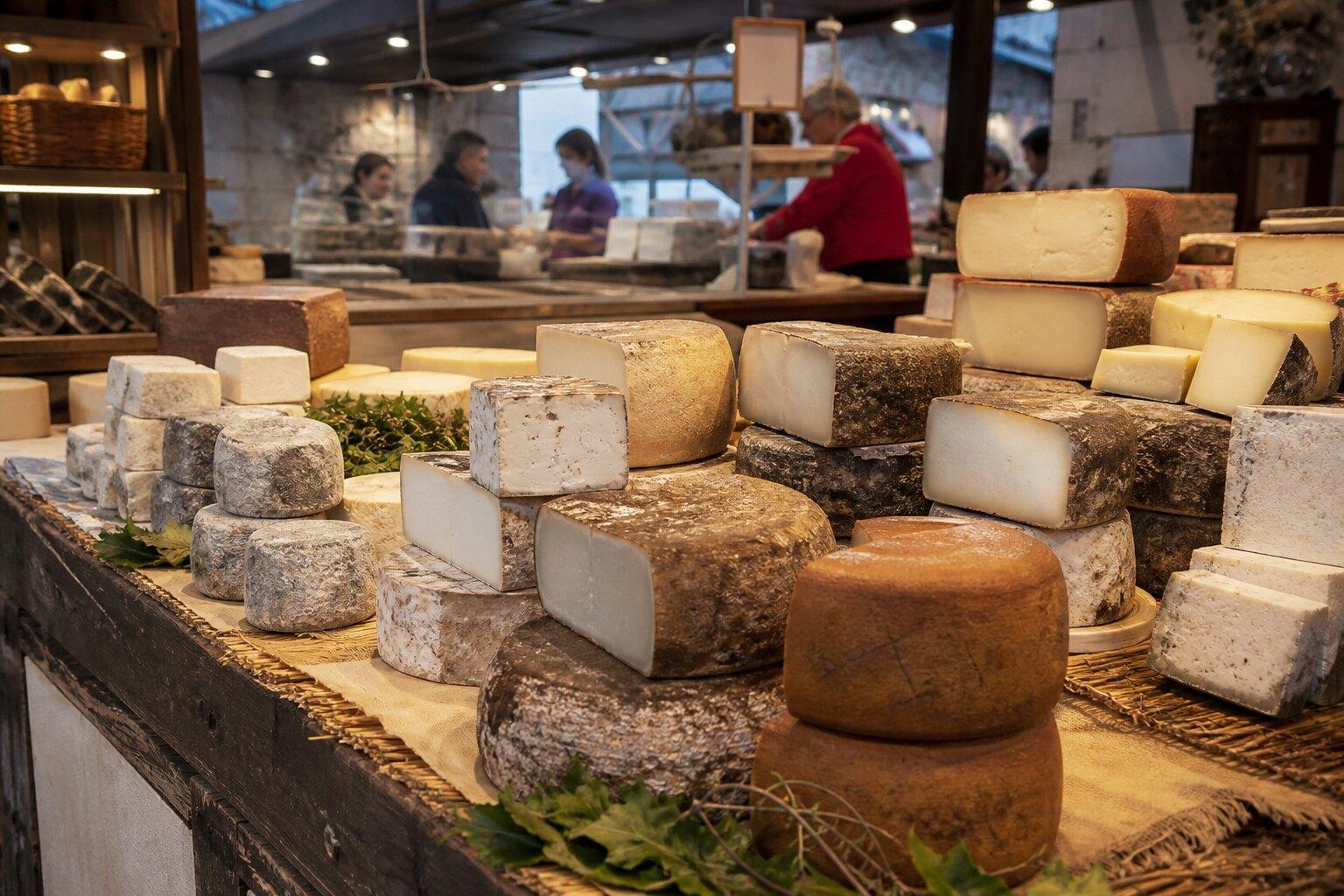
Shop by milk, texture, and age rather than asking for the single ‘best Catalan cheese. The practical version of Catalan Cheese Buying Guide begins with one clear start, a limited sequence, and a fallback that does not require improvising late in the day.
Plan at a glance
- Start: A municipal market with a staffed cheese counter.
- Order: Fresh goat cheese → soft-ripened wheel → aged sheep cheese → blue or washed-rind option.
- Total time: 45–90 minutes to shop; two hours for a tasting.
- Effort: Easy indoor visit, though market aisles can be crowded.
- Indicative budget: €18–40 for four tasting portions serving two to four people.
- Reserve ahead: No reservation for shopping; book producer visits and formal tastings.
The route on the ground
Shop by milk, texture, and age rather than asking for the single ‘best Catalan cheese.’ Request one mild, one firm, and one assertive piece, then tell the cheesemonger when you will eat them. Useful words are cabra (goat), ovella (sheep), vaca (cow), tendre (young/soft), curat (aged), and llet crua (raw milk).
Write the order on one line before setting out: Fresh goat cheese → soft-ripened wheel → aged sheep cheese → blue or washed-rind option. Mark the fixed booking, the optional stop, and the point after which turning back becomes awkward. That small distinction prevents the common mistake of giving equal importance to every stop and then rushing the part that justified the trip.
Protect the important hour
Visit before lunch while counters are fully staffed. Taste mild to strong and let refrigerated cheese sit wrapped for 20–40 minutes before serving, depending on room temperature. Buy airport-bound cheese on the final day, not at the beginning of a summer road trip.
For Catalan Cheese Buying Guide, use A municipal market with a staffed cheese counter as an operational meeting point, not a vague destination. Save the entrance, platform, car park, or trailhead offline and allow time for toilets, ticket checks, equipment adjustment, and the final walk from transport. Those transitions rarely appear in an advertised duration but regularly consume 20–40 minutes.
Costs that are easy to miss
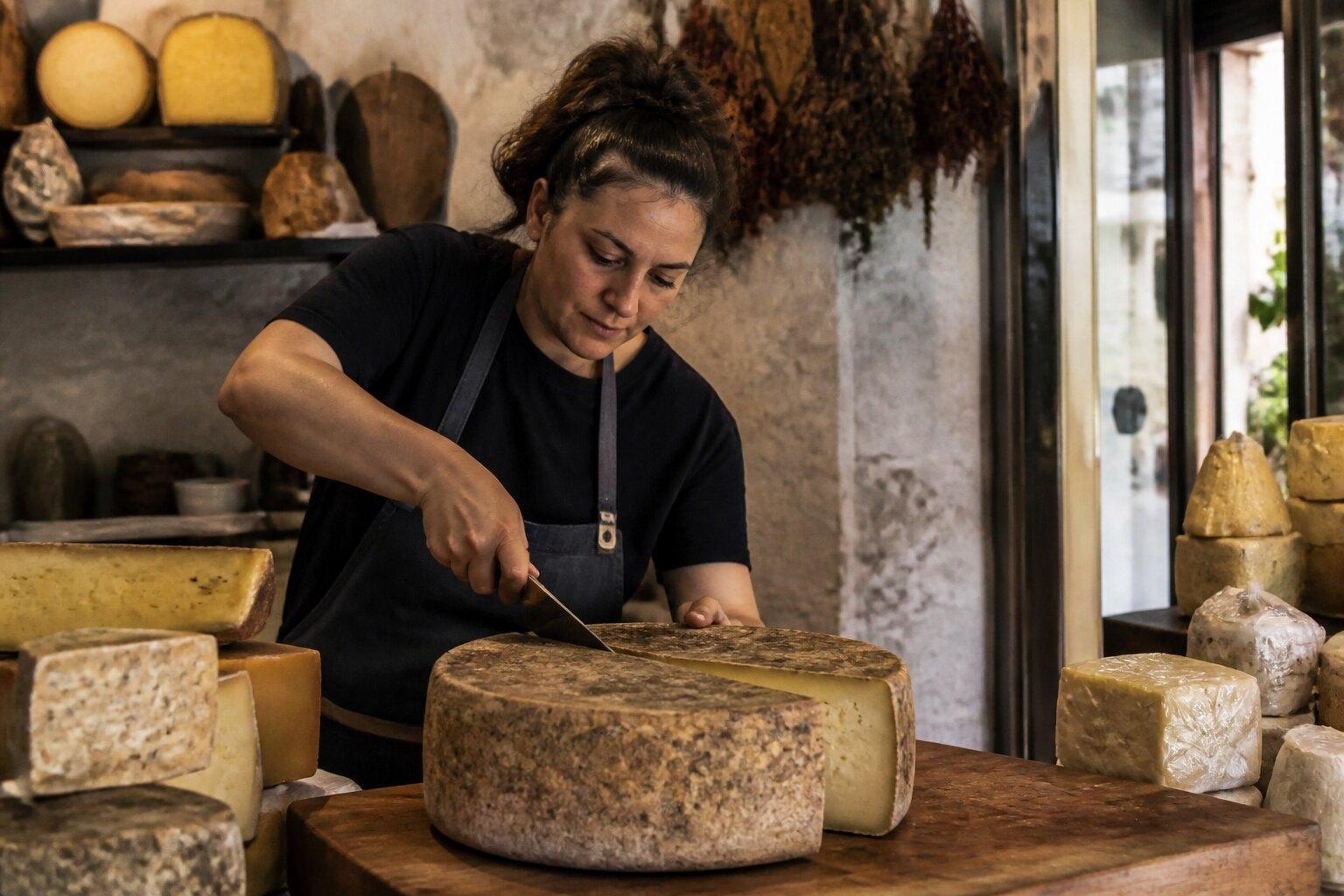
Artisan wedges commonly work out at about €25–55 per kilogram, but a €4–8 portion is enough for a small tasting. Vacuum packing may be free or a small extra charge. Add bread, fruit, or preserves separately rather than accepting a large gift pack whose storage history you cannot assess.
Treat €18–40 for four tasting portions serving two to four people as a planning envelope, not a promise. Separate fixed costs from food, upgrades, parking, local transfers, and purchases. Keep a reserve large enough to use the fallback without making an unsafe or exhausting choice merely because the cheapest version has already failed.
Comfort and mobility
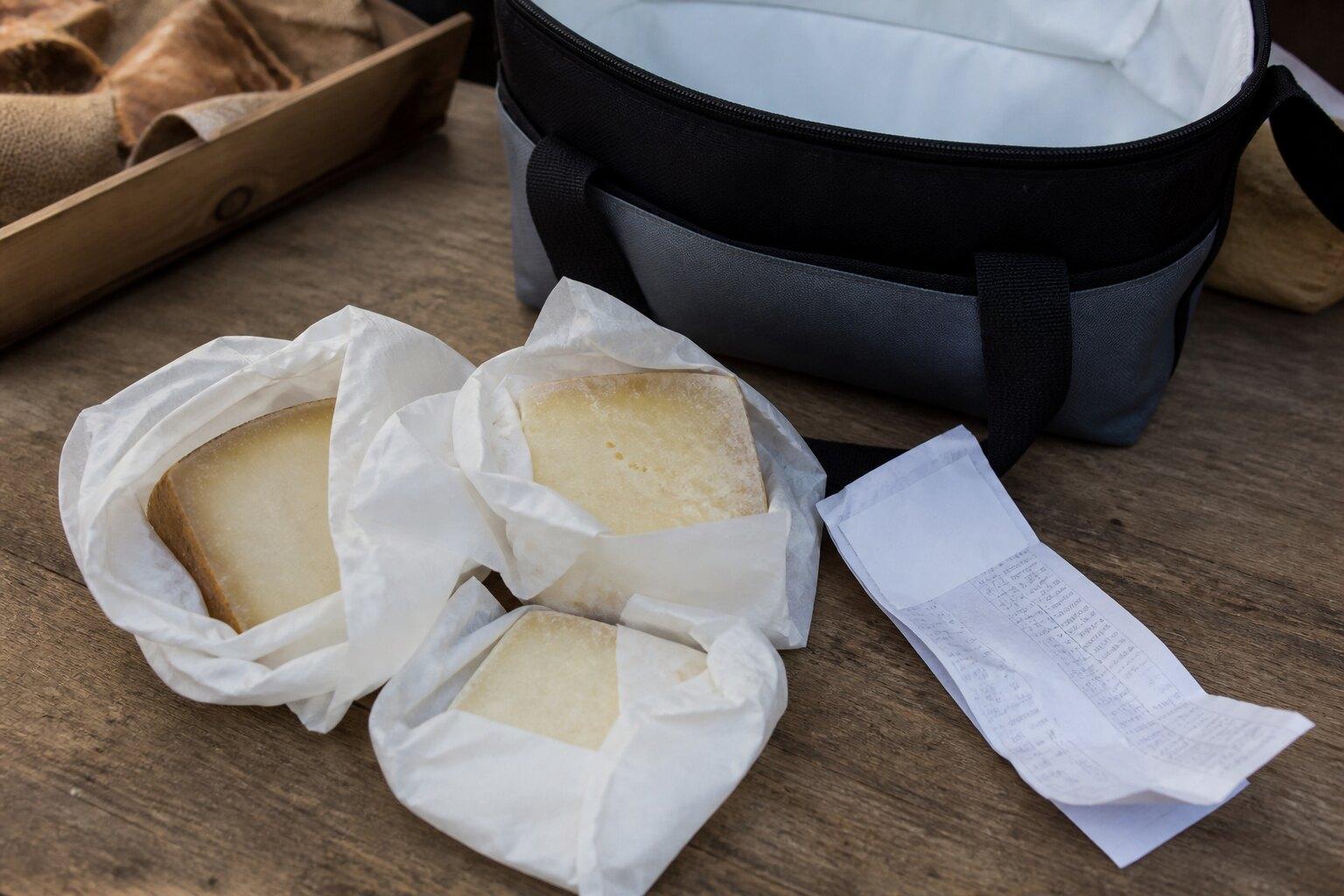
Ask whether a raw-milk cheese is suitable for pregnant or immunocompromised guests and follow their medical guidance. For travel, request labels, keep the receipt, and use an insulated bag. Airline and destination-country import rules matter more than attractive wrapping, especially for fresh or unpasteurized products.
The stated effort—Easy indoor visit, though market aisles can be crowded—should be judged against the least mobile, least experienced, or most heat-sensitive person in the group. Ask providers about the actual route through the site, not only whether an accessible entrance exists. Historic surfaces, vehicle transfers, toilets, shade, and places to sit are often the decisive details.
A realistic alternative
When a market counter cannot explain provenance or maturation, buy less. A supermarket with protected-origin labels and proper refrigeration is a better fallback than an unrefrigerated souvenir display. At a restaurant, order a small local board and photograph the names before looking for the same cheeses later.
The fallback for Catalan Cheese Buying Guide should preserve the trip’s main reason while removing the failing constraint. Shortening distance, moving indoors, changing the order, or returning on another day is better than substituting an unrelated attraction simply to fill time. Decide which change you will make before weather, delay, or fatigue reduces the options.
Official information and what to recheck
Verify the volatile details with Catalonia’s official food and gastronomy portal. Information checked August 2026. Recheck opening or service hours, prices, closures, reservation language, transport capacity, and accessibility shortly before payment and again before departure; seasonal schedules and event arrangements can change independently.
Continue with Traditional Catalan Foods for the closest same-brand planning question. For a different but complementary decision, use Catalan Market Shopping Routine.
Read the plan as one connected trip
The route, budget, and booking choice above depend on each other. Spending more on a well-located start can reduce transfers; an earlier reservation can protect the useful part of 45–90 minutes to shop; two hours for a tasting; a shorter route can make easy indoor visit, though market aisles can be crowded manageable for the whole group. Do not optimize one number in isolation. Recalculate the day if accommodation, transport, weather, or the group changes.
Keep one shared note containing the confirmed address, order of stops, booked time, expected cost, and fallback. For Catalan Cheese Buying Guide, the most important line is Fresh goat cheese → soft-ripened wheel → aged sheep cheese → blue or washed-rind option. Everyone should know which element may be dropped and which return connection, closing time, or safe-turnaround rule cannot move. That shared understanding prevents a minor delay from becoming a string of rushed decisions.
Day-of checklist
Confirm the reservation named above—No reservation for shopping; book producer visits and formal tastings—and save its cancellation deadline, meeting instructions, and contact number offline. Check the forecast against the specific exposure described in this guide, not only the nearest city. Pack water, medication, identification, and a charging method in a place that remains reachable during the journey.
Finally, set a latest safe start and a latest acceptable finish. If the first major leg runs late, remove the lowest-priority stop instead of compressing every visit. The best version of Catalan Cheese Buying Guide is the one that leaves enough attention for its defining experience and enough reserve to get home without hurry.
Related guides
- Beyond La Boqueria: How to Visit Catalan Food Markets Well
A practical guide to Catalan food markets, from shopping etiquette and seasonal produce to finding a market lunch beyond the busiest counters.
- Girona Xuixo Walk: Bakeries, Market, and Coffee Stops
A self-guided Girona tasting walk for xuixos and local products, with ordering tips, pacing, prices, and market hours.
- 10 Traditional Catalan Foods to Try During Your Trip
From pa amb tomàquet and calçots to suquet de peix and crema catalana—ten Catalan dishes and how to find them on your trip.