Food
Beyond La Boqueria: How to Visit Catalan Food Markets Well
A practical guide to Catalan food markets, from shopping etiquette and seasonal produce to finding a market lunch beyond the busiest counters.
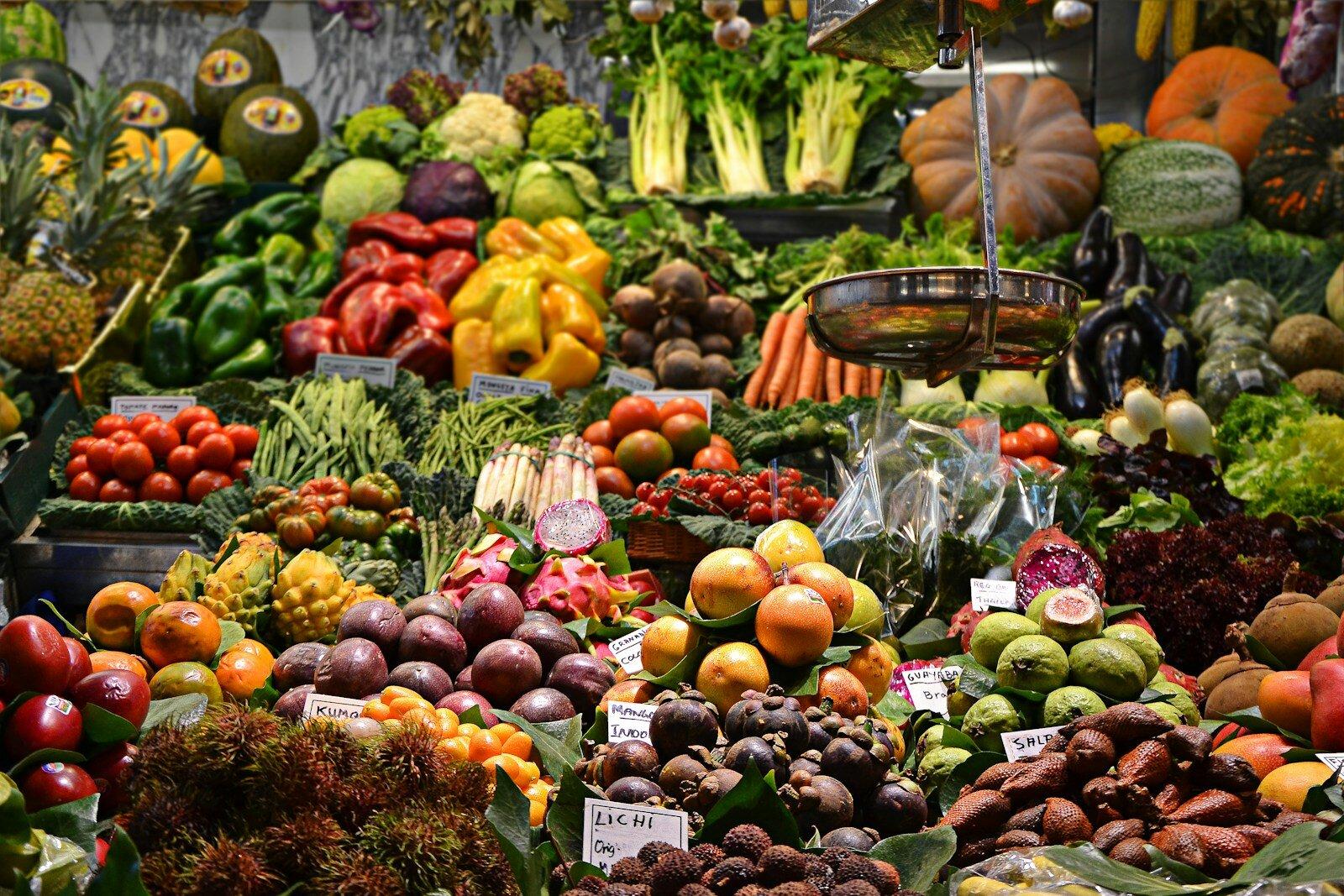
A good Catalan market sounds busy before it looks beautiful: shutters lifting, knives on cutting boards, greetings called across a counter, and someone asking which tomatoes are ready today. It is a workplace and a neighborhood service first. That is exactly why it tells visitors so much about how Catalonia eats.
La Boqueria is the famous example, but it is not the whole story. Barcelona’s neighborhood halls and the markets of Girona, Tarragona, Vic, Reus, and smaller towns often offer a calmer view of seasonal produce, everyday shopping, and market-bar culture.
Plan a Market Morning
- Route: arrive at La Boqueria from the Plaça de la Gardunya entrance → make one circuit without buying → shop at produce or conserves stalls → sit at a market bar → compare with Sant Antoni, Santa Caterina, or a neighborhood market on another morning.
- Time: 60–90 minutes for browsing and breakfast; 2 hours if you stop for an early lunch.
- When: Barcelona municipal markets generally work best before noon. La Boqueria’s published regular hours are Monday–Saturday, 08:00–20:30, but individual stalls keep shorter schedules and Sundays are normally closed.
- Budget: coffee and pastry €3–6, a counter breakfast €6–12, and a market lunch €15–30. Bring a reusable bag; card acceptance is common, but a little cash helps with small purchases.
- Book: ordinary shopping needs no reservation. Reserve only a specific restaurant counter, tasting, or cooking activity.
Practical details checked August 2026 against Barcelona’s municipal market information. Recheck holiday openings and individual stall hours before making a special trip.
Go Early and Observe First
Mornings are generally the best time to visit a food market. Stalls are fully stocked, vendors are working, and you have time to look before lunch crowds arrive. Hours and closing days vary widely, so check the official market information for your date.
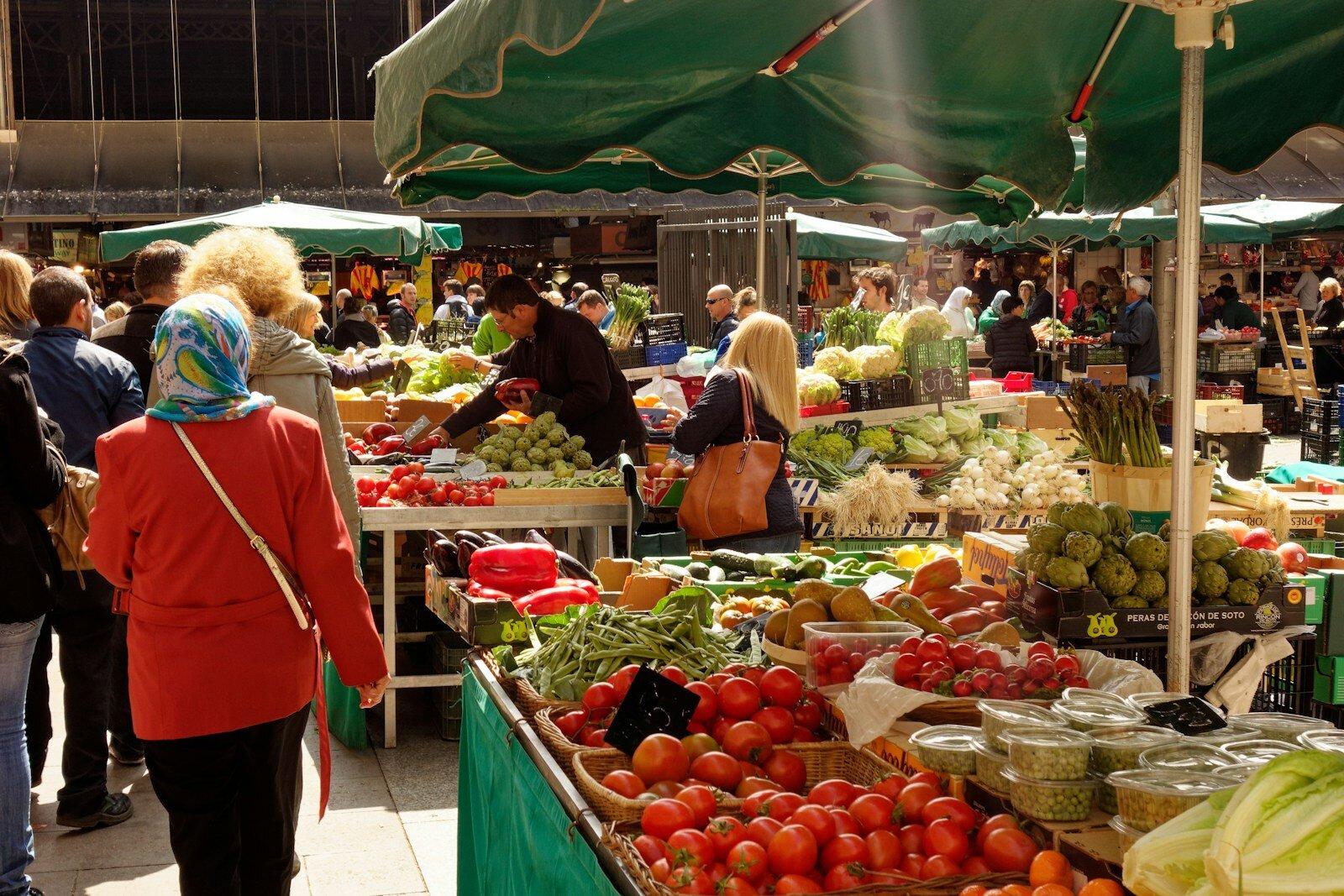
Start with one full lap. Notice what is in season, where people are queuing, and whether a stall is primarily for shopping or ready-to-eat food. Do not block a counter while deciding, and keep aisles clear for customers with shopping carts.
Learn a Few Useful Words
You do not need fluent Catalan or Spanish to shop politely. A greeting, a request for a small quantity, and a thank-you go a long way. Pointing is fine when combined with patience.
If you are unsure how much to buy, ask for a suggestion or choose a modest amount. Vendors may be busy, especially before lunch. Save longer conversations for a quiet moment rather than peak service.
Look for Seasonal Ingredients
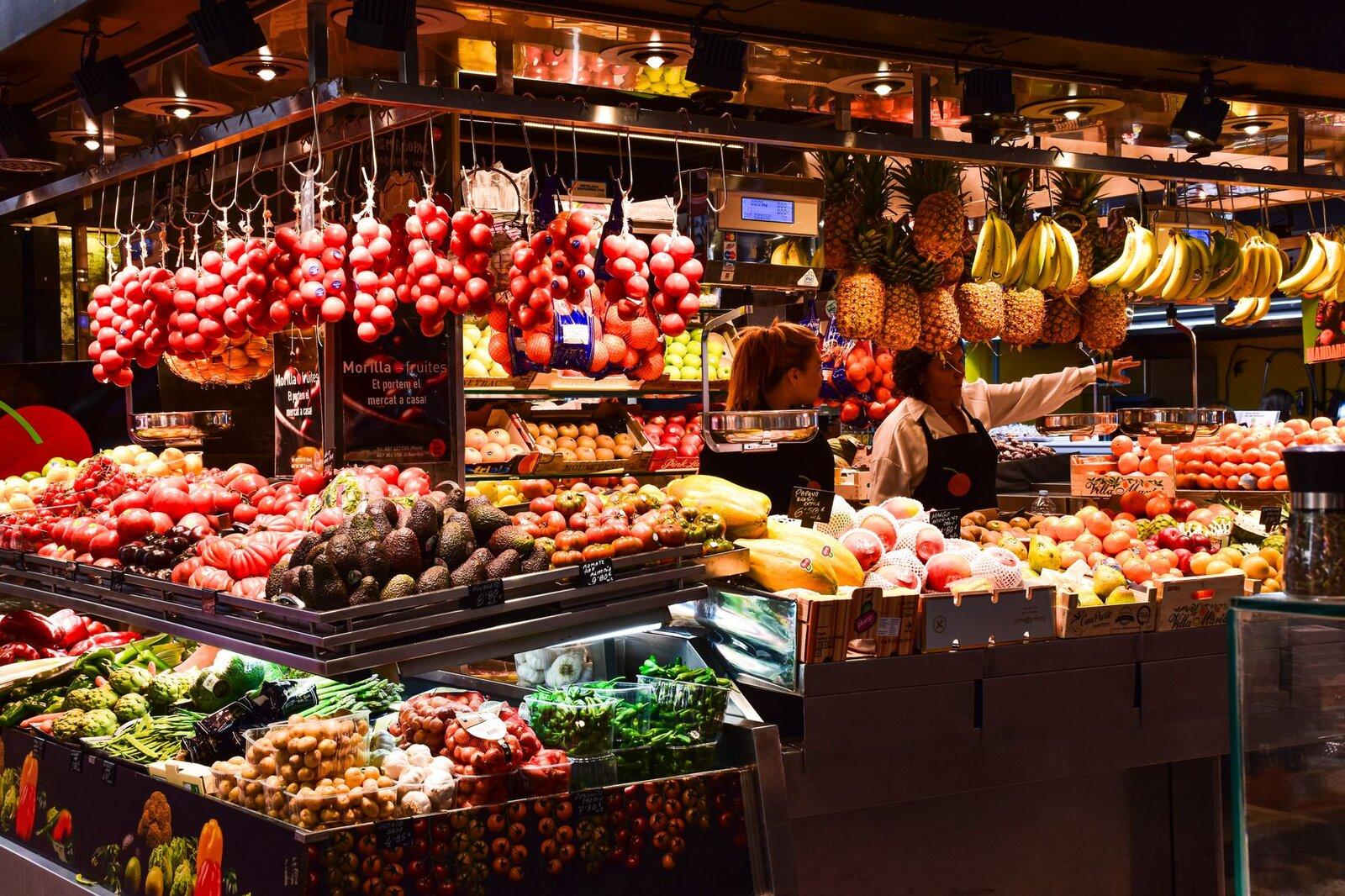
Markets make Catalan seasonality visible. In colder months you may see mushrooms, artichokes, citrus, and calçots. Summer brings tomatoes, peaches, melons, and peppers. Exact availability changes with weather and harvests.
Try ingredients that travel well: nuts, olive oil, dried fruit, packaged sweets, or vacuum-packed products where permitted. Fresh meat, cheese, and produce can be wonderful for a picnic or apartment kitchen, but check travel and border rules before buying food for an onward journey.
Eat at the Counter with Courtesy
Some markets have bars or stalls serving small plates. These can be excellent, but they are not always a bargain and may be very busy. Wait to be acknowledged, follow the ordering system, and do not assume a seat is available because you see an empty stool.
For a fuller lunch, consider stepping outside the most crowded market zone. A neighborhood restaurant may offer more space and a slower meal, while the market itself remains a place to browse and snack.
Visit Markets Beyond Central Barcelona
Markets in Girona, Tarragona, Reus, Vic, and smaller towns reveal local rhythms without the intense visitor pressure of Barcelona’s landmark markets. Weekly outdoor markets can also be good places to see regional produce, clothing, and household goods.
Check which day a town market operates before planning around it. A weekly market can transform a quiet square, but on another day there may be nothing there at all.
Build a Simple Market Picnic
For a low-key lunch, buy bread, cheese, fruit, olives, and something sweet, then find a permitted public space or take your food back to your accommodation. Do not eat in areas where a market prohibits it, and avoid leaving waste behind.
Pa amb tomàquet is easy to recreate with good bread, ripe tomato, olive oil, and salt. The point is not a complicated recipe; it is the quality of the few ingredients.
Remember What Markets Are For
The most respectful visit supports vendors and allows everyday shopping to continue. Buy something small, ask before taking close photographs, and keep your group from clogging busy aisles.
A market is one of the fastest ways to understand a place’s food culture. Let it be a working place, and it will tell you far more than a souvenir shop can.
After working through Beyond La Boqueria, continue with Catalan Breakfast Guide: What to Eat Beyond the Hotel Buffet for the closest complementary decision and a different itinerary.
Information checked August 2026 against the official or primary sources linked above.
For a complementary decision after Beyond La Boqueria, use 10 Traditional Catalan Foods to Try During Your Trip; its focus on 10 Traditional Catalan Foods to Try During Your Trip extends the plan without repeating the same route.
Related guides
- 10 Traditional Catalan Foods to Try During Your Trip
From pa amb tomàquet and calçots to suquet de peix and crema catalana—ten Catalan dishes and how to find them on your trip.
- Catalan Breakfast Guide: What to Eat Beyond the Hotel Buffet
A simple guide to coffee, pa amb tomàquet, pastries, and the everyday rhythms of breakfast in Catalonia.
- Catalan Vermouth Guide: How to Order and Enjoy the Ritual
A practical introduction to Catalan vermouth, the aperitif ritual, and the snacks that make it a social occasion.