Food
A Boqueria Cooking Class Should Use the Market, Not Decorate It
Choose a morning Barcelona class whose market visit explains ingredients and vendors before everyone cooks a real shared meal.
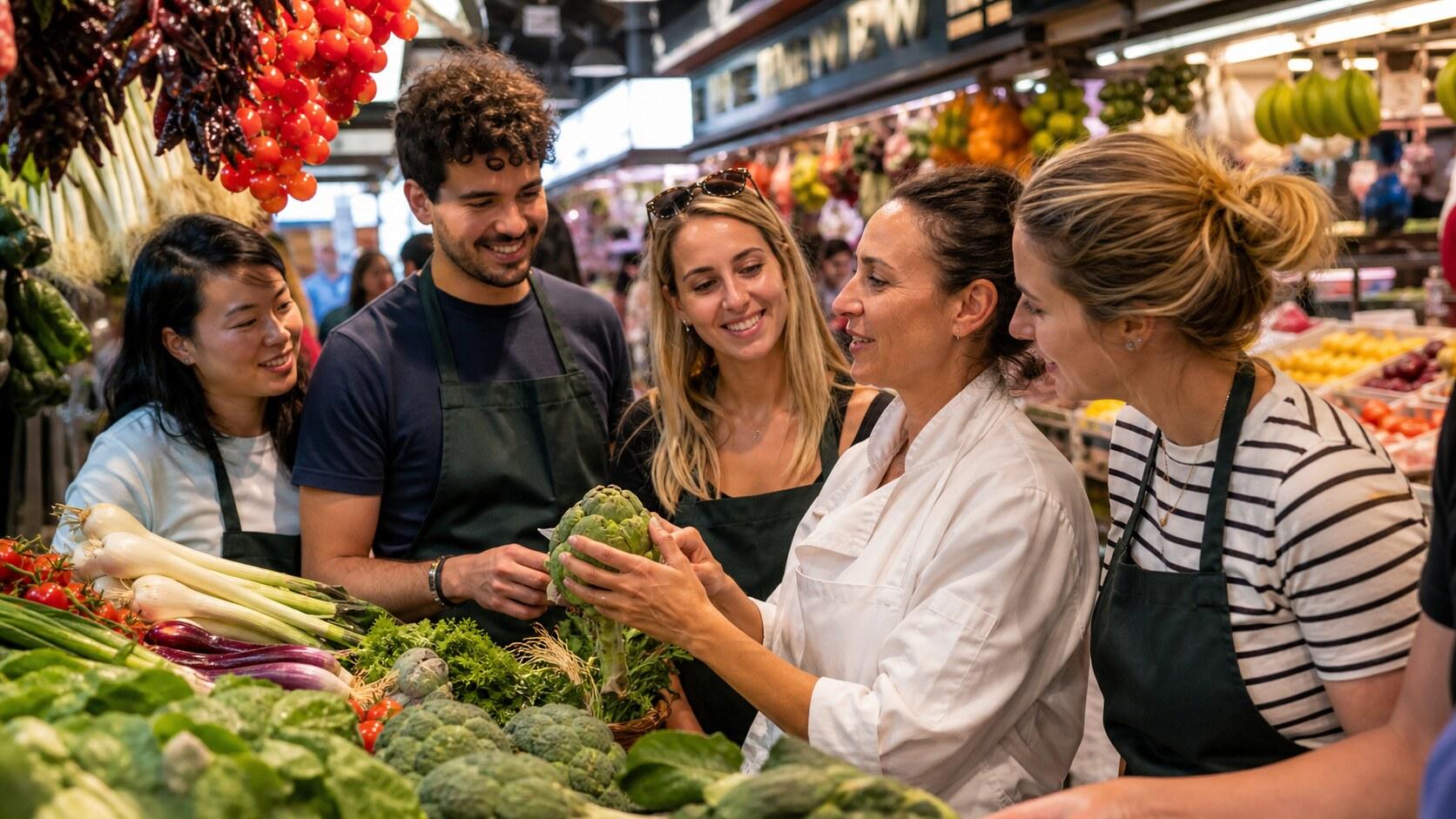
A cooking class built around La Boqueria is most convincing when the market changes what happens in the kitchen. The guide introduces a fishmonger, explains a seasonal vegetable or compares preserved goods; the group then cooks with that knowledge. A ten-minute photo lap followed by a fixed generic menu is not a market class.
The official Boqueria site lists more than 200 traders and opening from Monday to Saturday, 08:00–20:30, at the time checked. Those are market hours, not proof that every stall or private class operates throughout them.
Read the schedule before the menu
A strong format meets around 09:00–10:30, spends 30–60 minutes sourcing and explaining, then walks to a nearby teaching kitchen for two or three hours of cooking and the meal. Ask where the kitchen is and how far the group carries purchases.
Compare Boqueria cooking classes, distinguishing hands-on work from demonstration. Confirm maximum group size, dishes, market time, drinks, recipes, language and the exact meeting point; La Rambla has several crowded entrances.
Tell the operator about allergies before booking. Ask whether every stage can be made safe, not merely whether a substitute plate appears at lunch. Children need a stated age policy and real supervision around knives and heat.
The market visit should respect the people working there. A guide should keep the group out of aisles, ask before handling produce and buy from traders rather than delivering a speech in front of their counter. Headsets or a smaller group are preferable to shouting over normal commerce.
Judge participation honestly
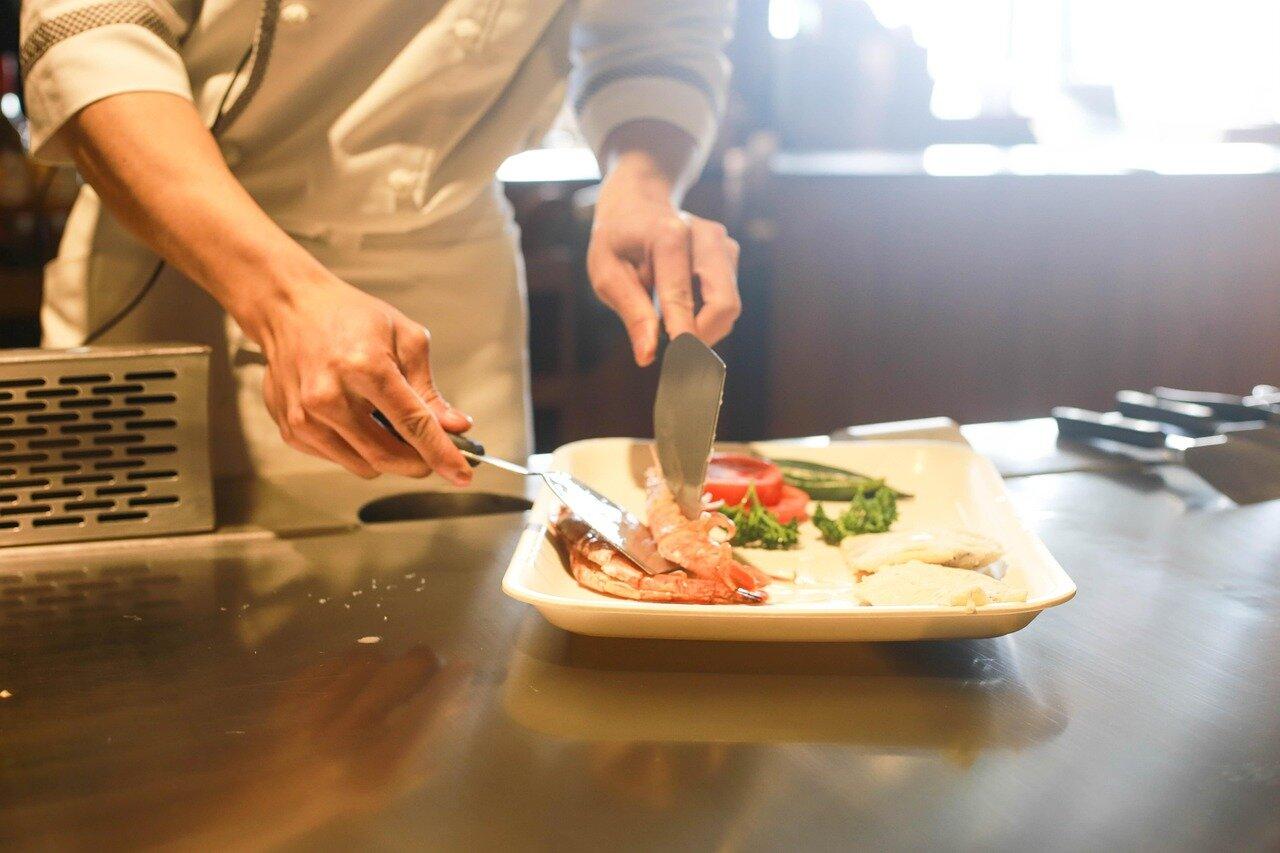
“Hands-on” should mean each guest performs meaningful tasks. In a large group, one person stirring rice while the chef completes everything else is a demonstration with audience participation. Ask how work is divided and whether the class prepares a full meal.
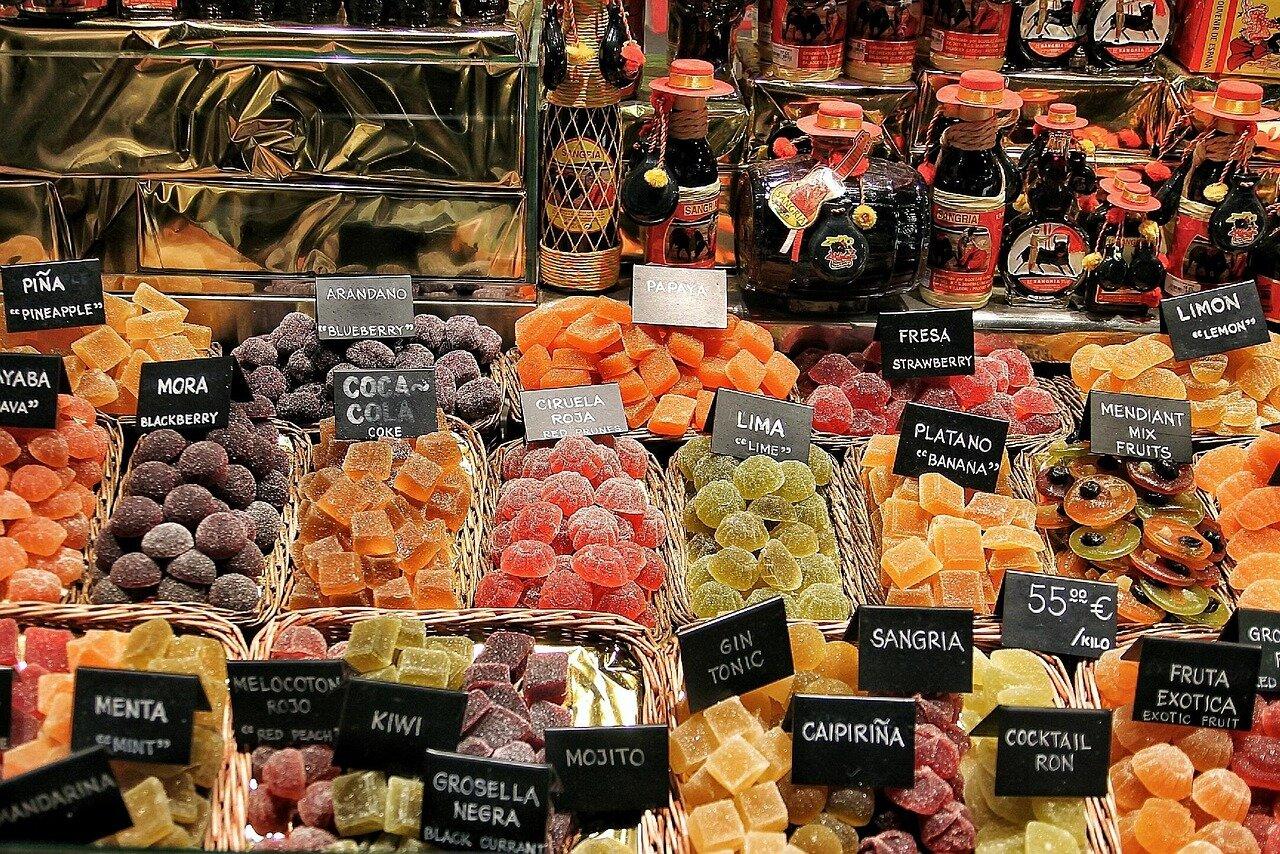
Paella may be part of the menu, but a Barcelona class should explain ingredients, technique and context rather than present one famous dish as the whole of Catalan cooking. Seasonal changes are a strength when communicated before purchase.
Allow roughly €75–140 per person as a broad planning range and treat the finished meal as lunch unless portions are described otherwise. Leave the next booking at least an hour away.
If the market is closed for a Sunday or holiday, the operator should name the replacement. Decide whether a kitchen-only class still justifies the price; an unspecified “local market experience” is not equivalent. Arrive without large luggage, keep out of working aisles and ask before photographing traders.
Confirm market date, class format, menu, dietary handling, group size and cancellation before booking.
Related guides
- Tarragona Central Market: A Morning of Shopping and Eating
Shop Tarragona's Mercat Central without obstructing its working morning, then turn a few local purchases into breakfast, lunch or a safe journey home.
- Beyond La Boqueria: How to Visit Catalan Food Markets Well
Shop La Boqueria and neighbourhood markets as working food halls, with better timing, useful vocabulary and a seasonal picnic plan.
- Catalan Cheese Buying Guide: Markets, Styles, and Prices
Build a Catalan cheese board by milk, texture and maker, then carry it home without losing the story—or the cold chain.
Are you in the know?
Receive new articles, local updates, and occasional offers from selected partners. We never share your email address. Unsubscribe at any time.
By subscribing you agree to our privacy policy.