Food
Escalivada Explained: Ordering Catalonia’s Roasted Vegetables
Learn what escalivada contains, how to order it, when toppings change the dish and what to expect from market counters and restaurant menus.
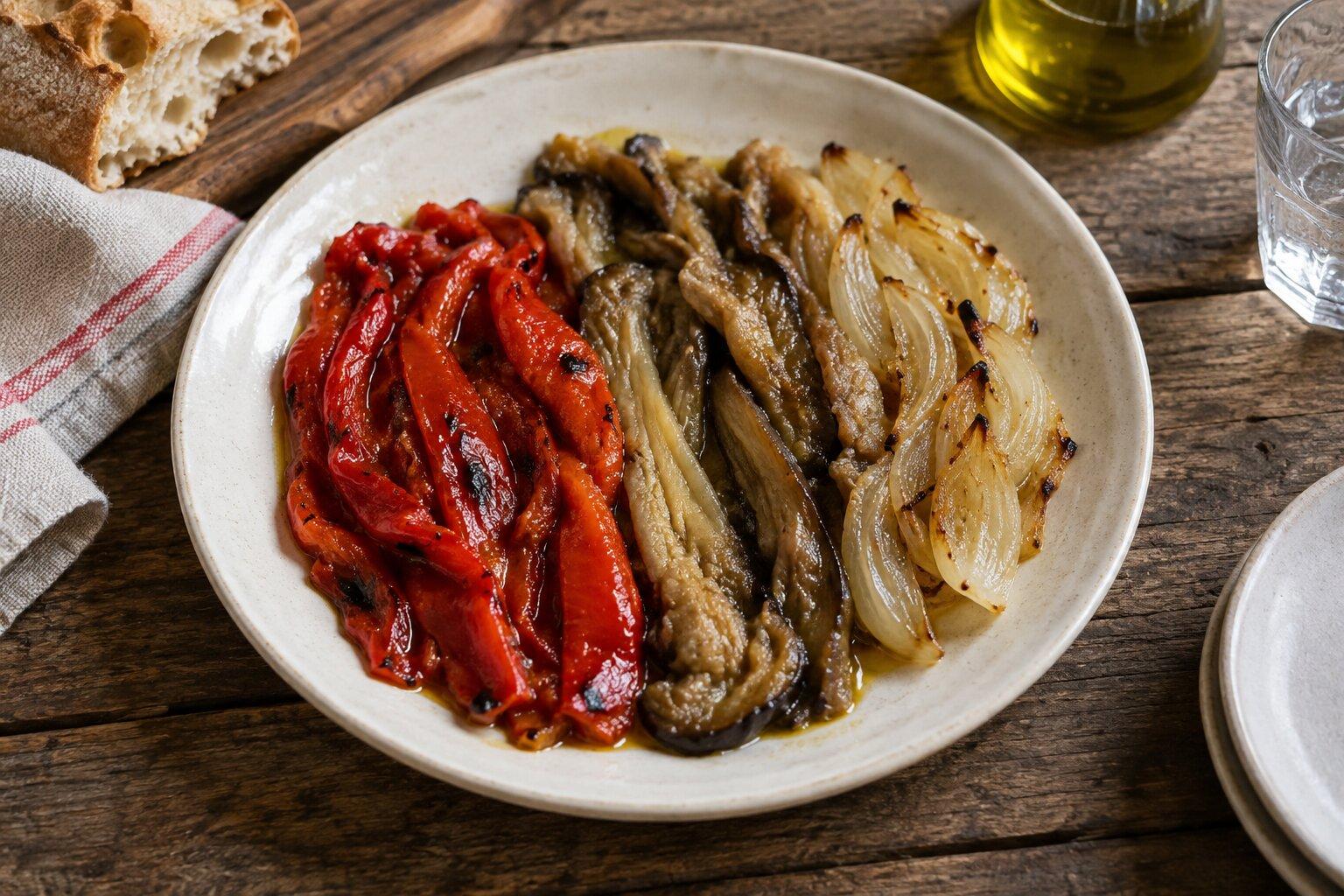
Soft strips of roasted pepper and aubergine, a little olive oil and often onion: escalivada is simple enough to appear all over a Catalan menu. It may be a starter, a side for grilled fish or the topping on a substantial piece of toast. The words after its name tell you which meal you are ordering.
Anchovies, tuna, goat cheese and salt cod are among the additions to look for. They change both the flavour and whether a vegetable-based dish suits someone who avoids fish or dairy.
Roasting gives escalivada its character
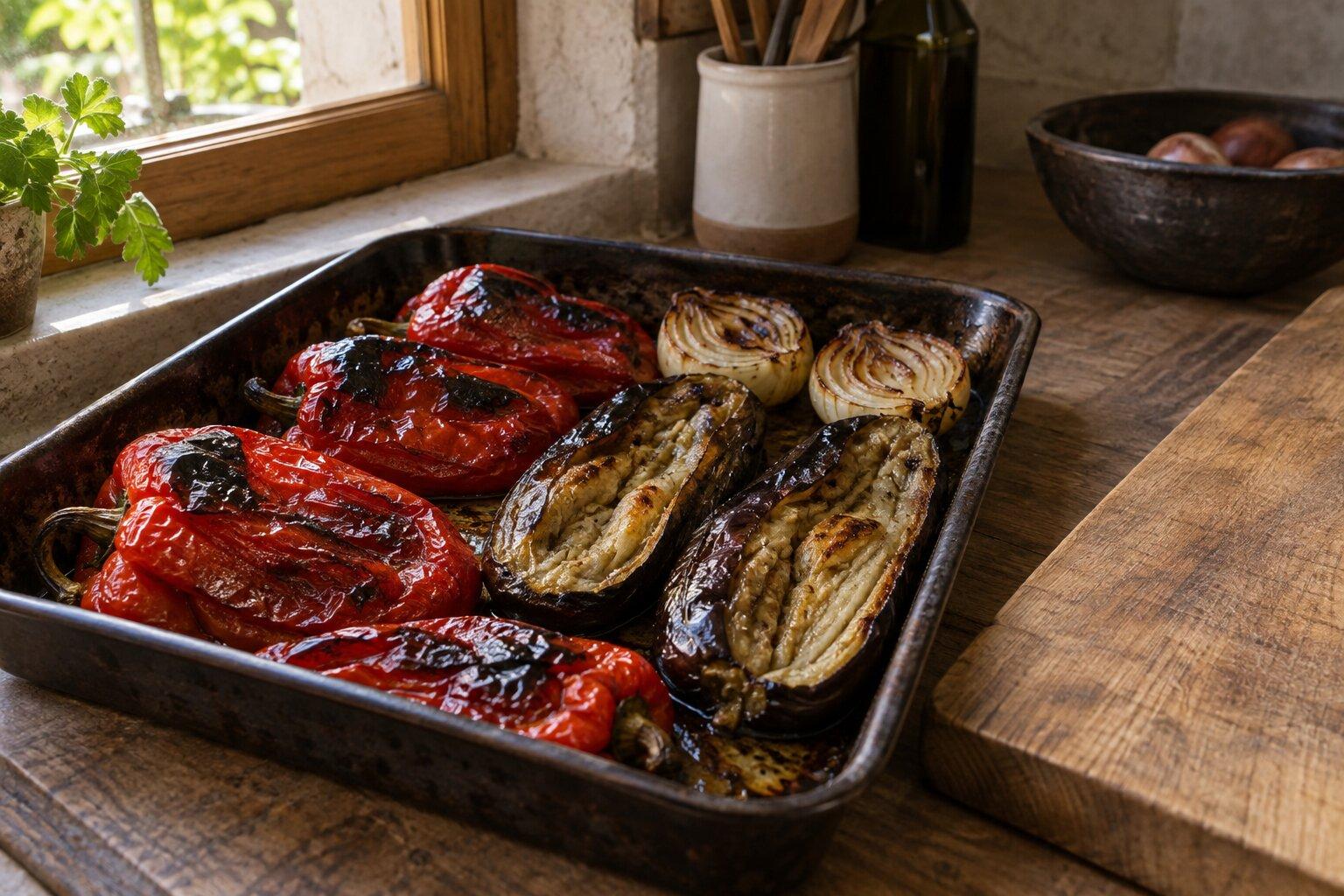
The vegetables should be tender rather than crunchy, with the pepper’s sweetness and the aubergine’s softness doing much of the work. Onion and other additions vary by household and kitchen. A smoky note can be part of the appeal, but not every restaurant uses the same roasting method.
The Catalan public broadcaster’s family escalivada recipe is a useful reminder that there are household versions rather than one compulsory arrangement. The Generalitat’s escalivada with potato recipe provides another variation.
Escalivada can be served warm, at room temperature or chilled. Each brings out a different impression of the vegetables; ask how the kitchen serves it if you have a preference.
A starter portion is not always a complete lunch
As a starter, escalivada can sit comfortably before grilled meat or fish. As a side, it may arrive in a smaller quantity beside the main course. On toast, it becomes more substantial because the bread is part of the meal.
Read for words such as torrada, tosta or pa de coca. They indicate a bread-based format. A dish described with anchovies or cheese may be intended as a full open sandwich rather than a small vegetable accompaniment.
Order a starter portion to share alongside other dishes, or choose a toast for a more substantial lunch. If escalivada is the only suitable dish for a vegetarian diner, establish the portion size before relying on it as a main course.
An approximate planning range is €7–13 for a simple starter or side-sized presentation and €10–16 for a more substantial toast with toppings. These are editorial allowances, not fixed prices. A premium restaurant or a larger composed plate can sit above them.
Where to try a clearly described restaurant version
Can Culleretes’ own menu page lists warm escalivada with goat cheese. It is a useful Barcelona example of how an addition changes the dish: the soft vegetables become a richer starter. Ask about availability when reserving. Information checked September 2026.
For a fuller toast, ask whether the escalivada comes on bread and whether anchovies, cheese or another topping are included. Read the listed price for that complete dish, then ask about any charge for substitutions. A vegetable base alone does not establish that the finished plate is vegetarian.
Escalivada fits easily into an ordinary lunch. Try it alongside the restaurant’s grilled dishes or order the toast version with a drink; there is little reason to cross the city for it.
Ask for the ingredients that matter to you
For a plant-based meal, ask for the vegetables without fish, cheese or egg, and establish what comes in the dressing. “Sense anxoves ni formatge” identifies two common additions, but the kitchen still needs to understand any broader dietary requirement.
For allergies, name the allergen directly. A plain-looking vegetable plate may share preparation space with other foods, and accompanying sauces can change the ingredient list. Bread-based versions also need separate attention for anyone avoiding gluten.
If ordering a side with grilled food, ask whether it is included or charged separately. The same dish name can appear in several parts of a menu at different portion sizes. A brief question prevents both an unexpectedly large order and an unexpectedly small meal.
Buying escalivada for an apartment supper
Prepared-food counters and shops selling cooked dishes can be convenient for a self-catering stay. Look for a clearly labelled preparation, ask how it is priced and buy a quantity appropriate to the meal. A per-kilogram label should not be read as the price of the container.
Ask the seller how to store it and when to eat it, then take it back to refrigeration promptly. Buy it after sightseeing rather than carrying it through a warm afternoon. If bread or an accompanying protein is needed, get those at the same time so supper does not require a second shopping trip.
Taste before adding salt or more oil, particularly if the plate includes anchovies or olives. Bread is useful for the vegetable juices left on the plate.
Related guides
- Ebro Delta Rice Dishes: What to Order and Where
Understand dry, creamy and black rice in the Ebro Delta, with ordering phrases, portion rules, meal budgets and places to start.
- Beyond La Boqueria: How to Visit Catalan Food Markets Well
Shop La Boqueria and neighbourhood markets as working food halls, with better timing, useful vocabulary and a seasonal picnic plan.
- Calçotada in Catalonia: How to Book, Order and Eat One
Book a proper calçotada in season, understand the set menu and sauce, and arrive ready for a long, messy winter lunch rather than a plate of onions.
Are you in the know?
Receive new articles, local updates, and occasional offers from selected partners. We never share your email address. Unsubscribe at any time.
By subscribing you agree to our privacy policy.