Food
Ebro Delta Rice Dishes: What to Order and Where
Understand dry, creamy and black rice in the Ebro Delta, with ordering phrases, portion rules, meal budgets and places to start.
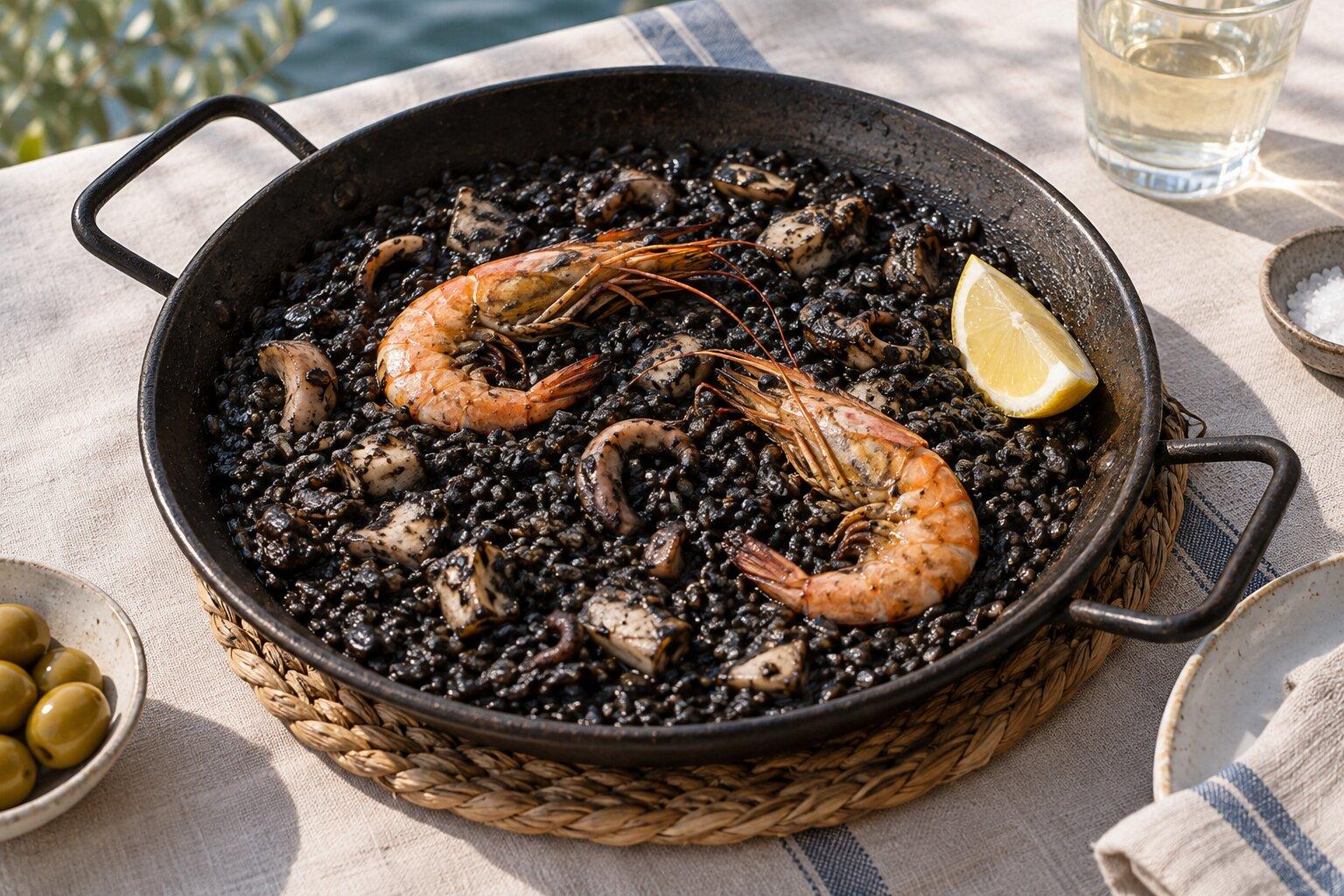
You are eating rice in the place that grew it. The Ebro Delta is twenty-odd thousand hectares of paddy between the river and the sea, flooded in spring, green by June, gold and dusty at the September harvest, and the rice on your plate very likely came off a field you drove past on the way to lunch. That proximity shows up in the cooking, which is unshowy, stock-driven and built around whatever the fields, the river and the bay produced that week.
Two things trip visitors up, and neither is about flavour. The first is arithmetic: a pan arrives in the middle of the table, but the price on the menu is usually per person. The second is texture — dry, brothy or somewhere between — which is a separate decision from what is actually in the rice.
Dry, brothy, and the pan that is not what it looks like
An arròs sec finishes with the stock absorbed and, if the kitchen is any good, a thin caramelised crust stuck to the base of the pan. That crust, the socarrat, is the best part; scrape for it. An arròs caldós comes soupy, eaten with a spoon, and is the version to order on a cold February day. Melós sits between the two, loose and creamy.
These words describe consistency, not content. A seafood rice can be any of the three, and what this particular kitchen does with it matters far more than a photograph taken in another one.
Now the arithmetic. Ask "El preu és per persona?" before ordering. Two people ordering a €24 rice should normally expect €48 for the rice, not €24 for the pan, unless the menu says otherwise in so many words.
A two-person minimum also means four diners cannot each pick a different rice. Settle that at the table before the waiter arrives — and note that if one person avoids shellfish, choosing them a different starter does not fix a shared main course.
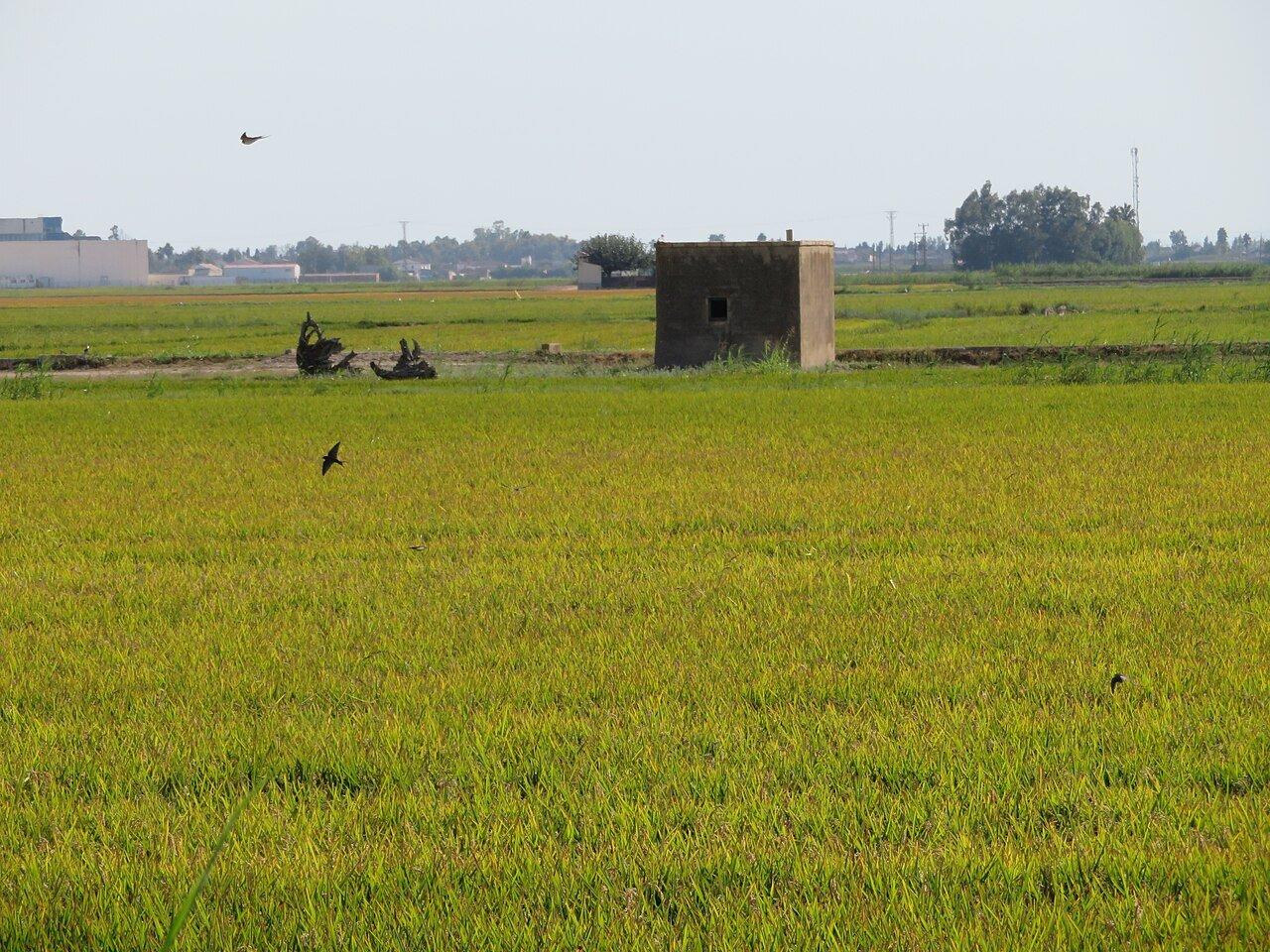
Arròs negre is about the ink and the stock
Cuttlefish or squid ink does the colouring; the stock and the seafood do the work. The version varies wildly between kitchens — some send out whole prawns and shell-on shellfish, others don't — so ask what is in the pan if you would rather not take a lunch apart with your fingers.
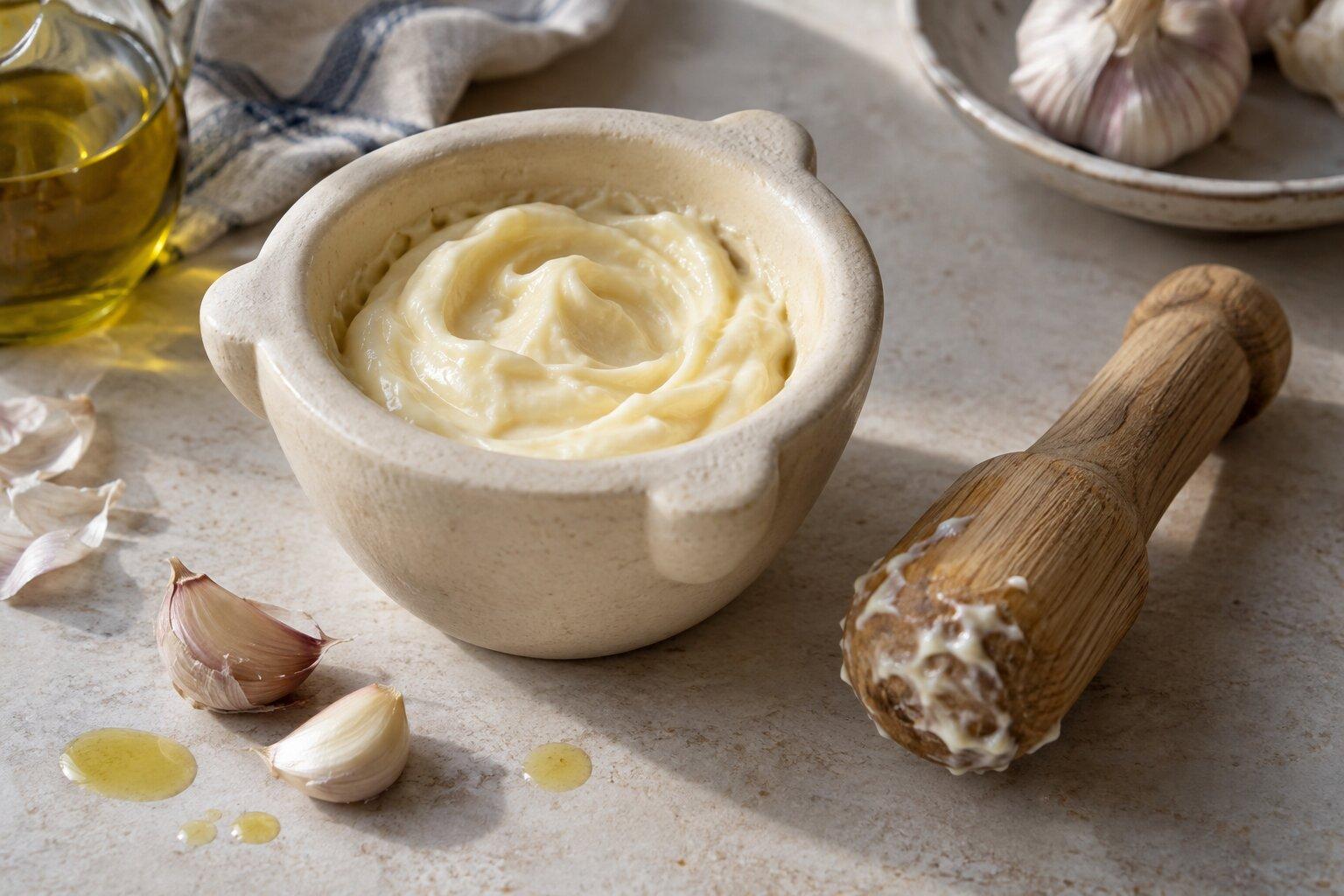
Taste a spoonful before you reach for the allioli. A good one is a fine thing beside the rice, but a heavy spoonful of raw garlic emulsion buries the stock you came for. If shelling really isn't your idea of a meal, look for arròs pelat or del senyoret, where the kitchen has done the peeling in advance.
Fideuà usually sits on the same part of the menu. It is a perfectly good lunch, it is cooked on the same principles, and it is made with short noodles rather than rice — a distinction that matters a great deal if someone at the table is avoiding wheat.
Duck, eel and blue crab are three different lunches
Casa Nuri's own introduction describes rice made with Delta ingredients including eel, duck and blue crab. Check the current menu on the day; an ingredient associated with the region is not a guarantee that a given kitchen has it in September.
Duck gives a rich, meaty rice, the darkest and most wintry of the three. Eel is soft and slightly sweet, and Casa Nuri pairs it with pork ribs — a good reminder that Delta cooking does not divide tidily into land and sea. Blue crab is the interesting one: it arrived here as an invasive species, wrecked a good deal of the local shellfish, and the response of the Delta's cooks was to put it on the menu. It comes in the shell, it takes time, and it tastes like the restaurant's answer to an ecological problem.
For an allergy, name the ingredient rather than the category. A rice that looks entirely vegetable may be built on fish stock, and an ink preparation can contain several different molluscs. Ask about stock, sauce and shared pans directly with the kitchen.
What lunch actually costs
The restaurant's 2026 menu is a useful concrete benchmark: a €22 weekday menu, minimum two people, excluding holidays, long weekends and August; a €36 tasting menu with shared starters and a choice of rice or fideuà; and a €5 supplement on the blue-crab rice.
That is one restaurant, not a Delta tariff. Budget €30–50 per adult for an unhurried rice lunch once you go beyond the simplest menu, with drinks, supplements and starters doing most of the moving. Read what a tasting menu includes before ordering it rather than assuming drinks and dessert are in the price.
Order one or two starters, not five. A plate of mussels or some local olives before the rice is right; a full parade of entrants turns the main course into a chore, and the rice is the reason you drove down here.
Build the day around the table, not the other way round
For a lunch-led visit, keep the morning around Deltebre and the river instead of trying to cover both banks. One short riverside stop before lunch is plenty — the light over the paddies early in the day is worth getting up for — and leave the afternoon loose.
Reserve for a weekend, and give the meal two hours. Rice is cooked to order, which means twenty minutes minimum between ordering and eating, and a table booked half an hour before a boat departure is a table that will not enjoy itself. Put the paid activity in the morning or leave real space after.
A car or a locally arranged taxi makes more sense than anything else for a restaurant outside a town centre; the Delta's roads run along irrigation channels with no pavement to speak of. Agree the return pickup before the wine arrives. If step-free access matters, ask about the dining room and the toilets rather than the terrace door.
And if the blue crab is off, ask what seafood rice they are cooking that day. The pan you were planning is less important than keeping the table and the afternoon you built around it.
Related guides
- Suquet de Peix: How to Order Catalonia's Fish Stew
Ask the right questions about fish, minimum portions and price before ordering suquet de peix in a Catalan coastal restaurant.
- Crema Catalana or Flan? How to Order the Better Dessert
Tell crema catalana from flan, ask whether it is made in-house and choose a good Catalan dessert without ordering by obligation.
- Escalivada Explained: Ordering Catalonia’s Roasted Vegetables
Learn what escalivada contains, how to order it, when toppings change the dish and what to expect from market counters and restaurant menus.
Are you in the know?
Receive new articles, local updates, and occasional offers from selected partners. We never share your email address. Unsubscribe at any time.
By subscribing you agree to our privacy policy.