Food
Catalan Vermouth Guide: How to Order and Enjoy the Ritual
A practical introduction to Catalan vermouth, the aperitif ritual, and the snacks that make it a social occasion.
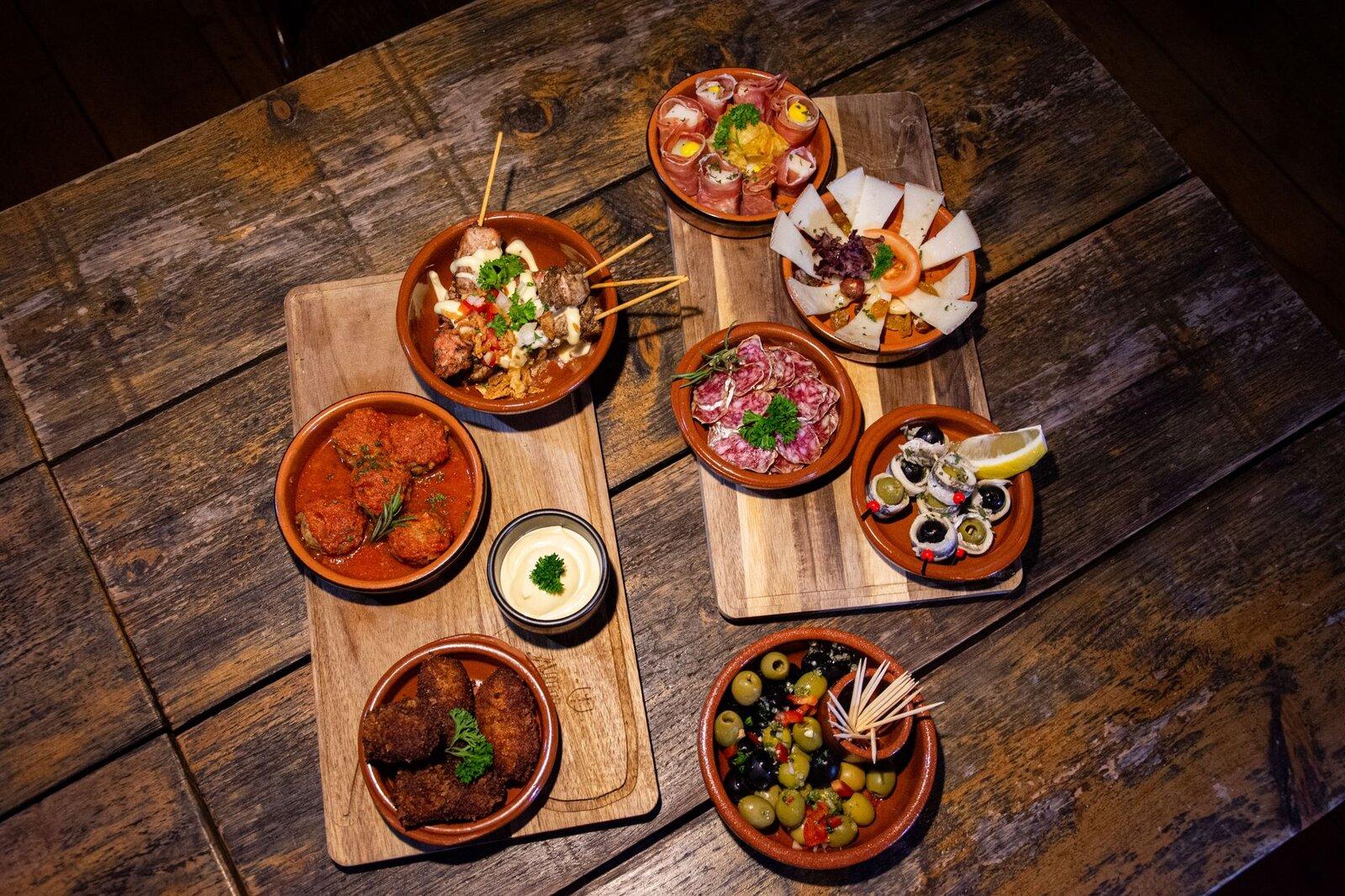
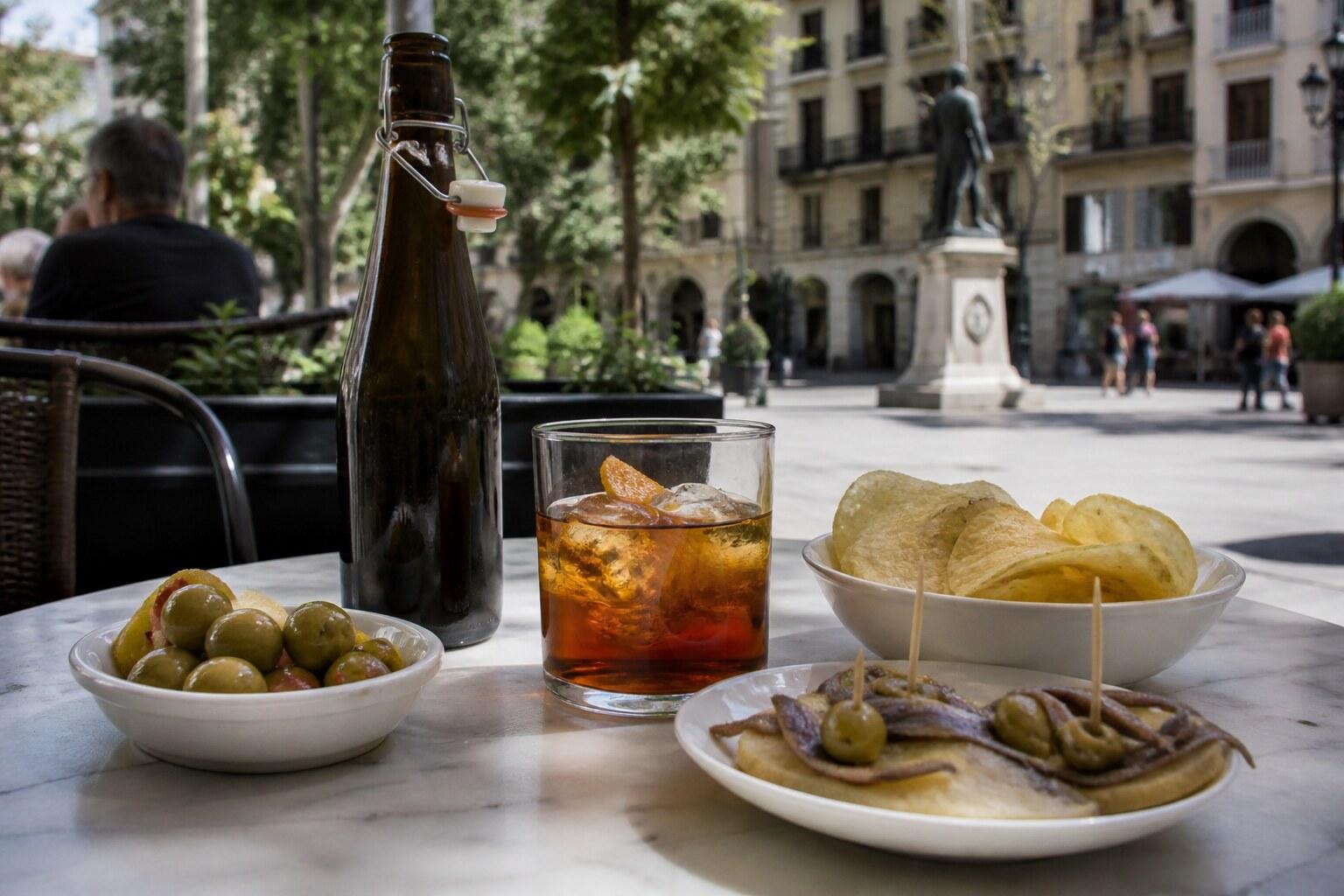
Around midday, terraces across Catalonia fill with a small ritual: a dark, aromatic drink over ice, a bowl of olives, perhaps a tin of mussels or anchovies, and conversation that quietly pushes lunch later. This is fer el vermut—literally “to do vermouth”—and the social pause matters as much as what is in the glass.
Try the Ritual Without Guesswork
- When: arrive between 12:00 and 13:30, especially on Saturday or Sunday, and allow 45–75 minutes before lunch.
- Order: ask for un vermut de la casa, si us plau; specify blanc or negre only if you have a preference. Add olives plus one conserve or small plate to share.
- Budget: house vermouth usually falls around €3–6 a glass; olives or crisps €2–4; quality conserves and larger plates €6–15. A realistic round is €10–20 per person.
- Where: choose a neighborhood bodega or vermouth bar in Barcelona, Reus, Tarragona, or another town center. Reus is the strongest destination if vermouth is the purpose of the day.
- Transport: if tasting in Reus, use the regional train and walk from the station; do not build a driving itinerary around alcohol.
Price ranges checked August 2026 as planning estimates; consult the venue’s current menu. One round is the cultural experience—this guide is not a cue to keep drinking before lunch.
What Is Catalan Vermouth?
Vermouth is fortified, aromatized wine seasoned with herbs, roots, spices, and citrus. Recipes vary, which is why one house vermouth can taste bright and bitter while another leans toward caramel, baking spice, or orange peel.
Ask for vermut blanc or vermut negre if you have a preference, or simply ask what the bar pours. It may arrive over ice with an olive or slice of orange and, sometimes, a splash of soda.
What Should You Eat With It?
The classic table is salty and snackable: olives, crisps, anchovies, cockles, mussels, or other conserves. Some bars add gildas, cheese, or a small plate of cured meat. You do not need a grand spread; one drink and two shared snacks capture the idea.
The bitter-sweet vermouth wakes up the appetite, while salt and acidity pull you back for another sip. If the bar specializes in conserves, ask what it recommends rather than ordering the most familiar tin.
When Do People “Do Vermouth”?
Late morning into early afternoon, especially at weekends, is the natural time. It is an aperitif before lunch, not a substitute for an evening bar crawl. Arrive around noon, stay for one leisurely round, and leave room for the meal that follows.

How to Order Without Overthinking It
Ask for the house vermouth, choose a couple of snacks, and notice how the room behaves. Some places order at the bar; others offer table service. If stools are scarce, do not spread bags across them. The ritual is informal, but the space is often small.
Reus has a particularly strong vermouth identity, while Barcelona has both old bodegas and modern vermouth bars. Wherever you try it, look for a place where people are talking more than photographing. That is usually a good sign.
Verify the Current Details
The official Catalonia tourism route through Reus and Cambrils explains the area's vermouth tradition and identifies places tied to it. Check each producer or venue directly for tasting times and reservations.
After working through Catalan Vermouth Guide, continue with Beyond La Boqueria: How to Visit Catalan Food Markets Well for the closest complementary decision and a different itinerary.
Information checked August 2026 against the official or primary sources linked above.
Execution Checks for Catalan Vermouth Guide
Choose the real venue for Catalan Vermouth Guide before planning around the experience. Save its address, service or event window, and the local wording needed to ask for the relevant item. A named market, bar, winery, square, or cultural programme is more actionable than assuming the custom will be available everywhere.
Keep the sequence explicit: ask for un vermut de la casa, si us plau; specify blanc or negre only if you have a preference. Add olives plus one conserve or small plate to share. Mark which stop is fixed and which can be shortened. If the first leg runs late, remove the lowest-priority stop instead of compressing every visit and carrying the delay through the rest of Catalan Vermouth Guide.
For a complementary decision after Catalan Vermouth Guide, use 10 Traditional Catalan Foods to Try During Your Trip; its focus on 10 Traditional Catalan Foods to Try During Your Trip extends the plan without repeating the same route.
Related guides
- Beyond La Boqueria: How to Visit Catalan Food Markets Well
A practical guide to Catalan food markets, from shopping etiquette and seasonal produce to finding a market lunch beyond the busiest counters.
- Calçotada in Catalonia: How to Book, Order and Eat One
Plan a first calçotada with the right season, restaurant questions, menu costs, transport, eating technique, and dietary checks.
- 10 Traditional Catalan Foods to Try During Your Trip
From pa amb tomàquet and calçots to suquet de peix and crema catalana—ten Catalan dishes and how to find them on your trip.