Market
Shopping at a Catalan Municipal Market: An Everyday Routine
Plan a useful market shop with the right timing, ordering language, realistic prices, and respect for working stalls.
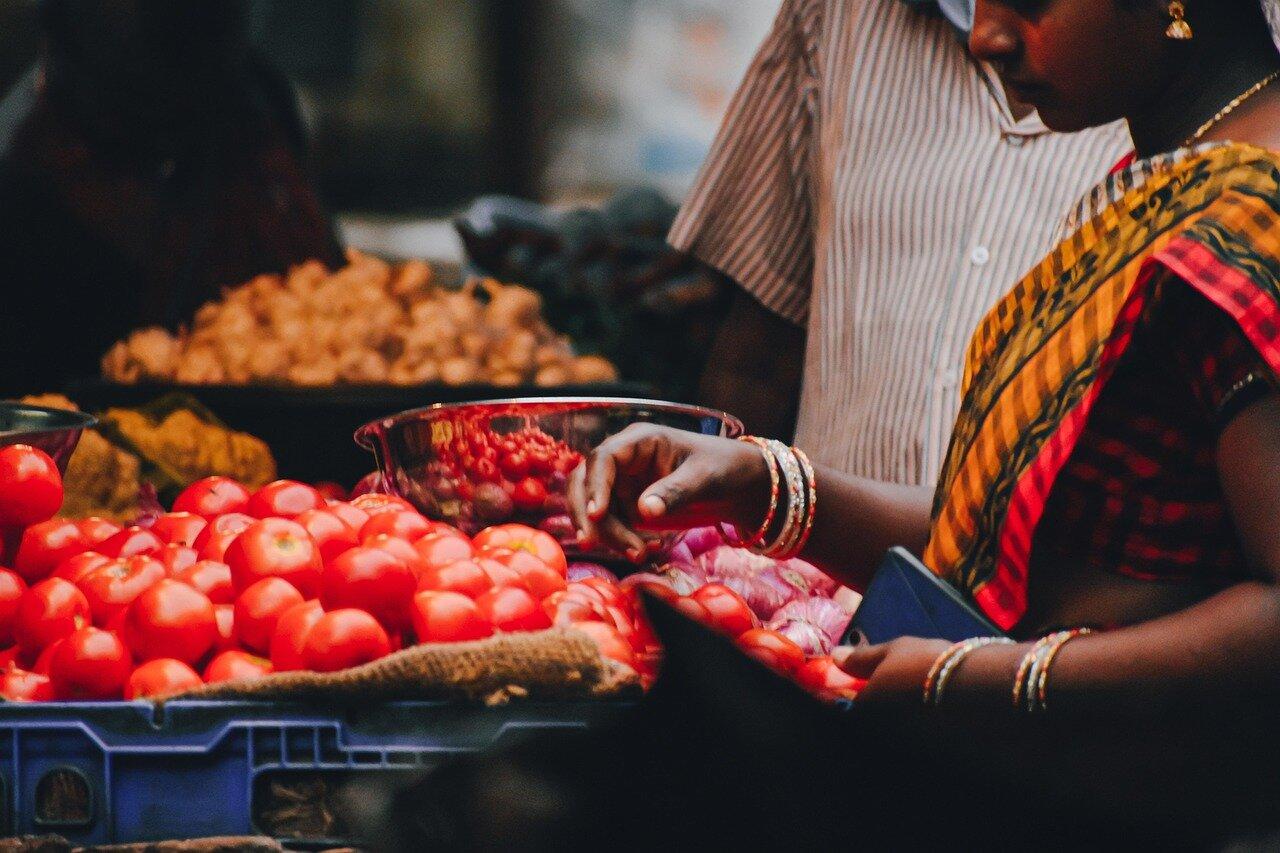
Municipal markets are working food infrastructure, not only beautiful halls. The most useful visit begins with a shopping list—fruit, vegetables, bread, cheese, olives, fish, or the ingredients for one meal—and ends before the stalls start packing down. Treat the market as a grocery run with atmosphere, not as a free tasting street.
Compact Market Plan
- When: 09:00–12:00 on a regular weekday or Saturday; many stalls thin out after lunch prep.
- Time: allow 45–75 minutes and visit no more than four or five stalls.
- Budget: €15–35 per person for picnic food; €35–70 for several days of groceries for two.
- Bring: a reusable bag plus a smaller leakproof bag for fish, olives, or wet produce.
- Book: not required for ordinary shopping; reserve only a specific market-restaurant counter.
- Check: closing days, renovation relocations, and holiday hours on the market’s own page.
Information checked August 2026. Find publicly managed markets through the relevant council; Barcelona maintains a dedicated municipal markets network. For a visitor orientation that compares famous and neighborhood halls, start with our guide to Catalan food markets beyond La Boqueria.
Build a Short Route
Enter, make one quiet circuit without buying, then return to the stalls you actually need. Start with dry goods and produce; leave fish, meat, and dairy for last so they spend less time in a warm bag. If you want coffee or a counter breakfast, identify the market bar early and queue like a customer, not a sampler moving stall to stall.
In Barcelona, neighborhood markets such as Sant Antoni, Ninot, or Sants often feel calmer than the most photographed halls. In Girona, Tarragona, Vic, Reus, and smaller towns, the municipal market is frequently the clearest window onto seasonal cooking. Arrive knowing what you will cook that night; aimless browsing fills bags with things that never get eaten.

Order by Weight and Purpose
Ask for an amount—dos-cents grams, mig quilo, una unitat—or explain what you are cooking and for how many people. At produce stalls, watch whether customers select items themselves or the vendor does it; follow the local pattern. Take a queue ticket where a dispenser exists and stand where the line actually ends.
Fish may be priced by weight before cleaning. Ask whether cleaning is included and how the fish is best cooked that day. Cheese and cured-meat stalls can cut smaller quantities; do not request repeated samples unless you intend to buy. A polite Em podeu aconsellar? works better than hovering over the display with a phone camera.
Read the Price Card
Check whether the displayed amount is per kilogram, unit, tray, or bunch. Seasonal produce is often better value, but a market is not guaranteed to undercut a supermarket. The value lies in selection, ripeness, preparation advice, and buying only the quantity you need. Card payments are common; small cash still helps for tiny purchases.
Photography is secondary. Ask before photographing a vendor or a close display, keep aisles and payment areas open, and never handle produce after being asked not to. If a stall is clearly serving a queue of regulars, finish your decision before you reach the counter.
Carry It Home Safely
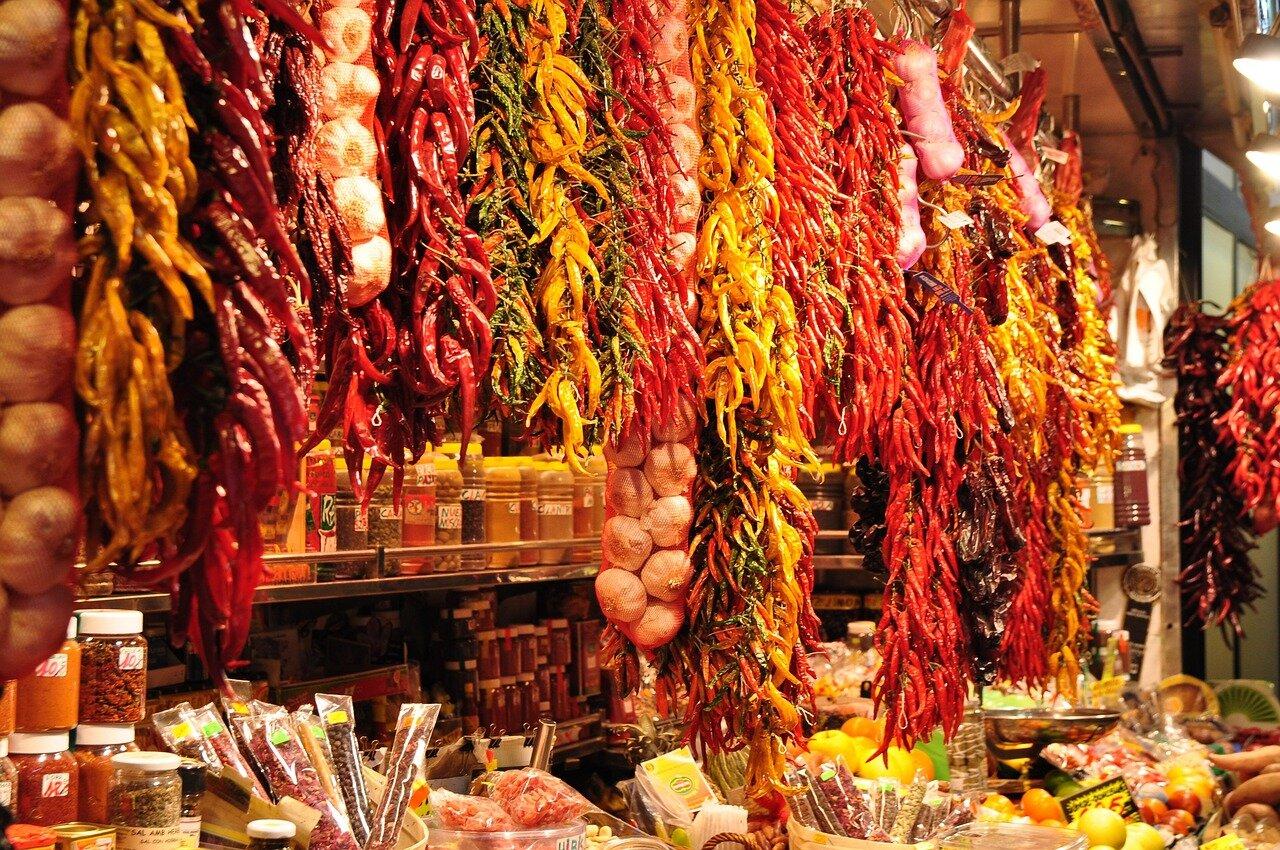
In warm weather, use an insulated bag for fish and dairy and return home promptly, or eat the picnic the same morning in a park with shade. Label nothing as “secret” that is simply a working counter. A small market routine—same day, same few stalls, one polite exchange each week—builds more connection than trying to complete a famous hall in one crowded morning. If your date falls on a local holiday, shop the day before; many municipal markets follow reduced or closed calendars even when tourist streets stay open.
Information checked August 2026 against the official or primary sources linked above.
Execution Checks for Shopping at a Catalan Municipal Market
Choose the real venue for Shopping at a Catalan Municipal Market before planning around the experience. Save its address, service or event window, and the local wording needed to ask for the relevant item. A named market, bar, winery, square, or cultural programme is more actionable than assuming the custom will be available everywhere.
Give Shopping at a Catalan Municipal Market a deliberate order: observe first, ask or order second, and add optional purchases or another venue only after the central experience works. This avoids filling the schedule with loosely related stops and leaves room to follow local timing, service rhythm, and etiquette without rushing participants.
For a complementary decision after Shopping at a Catalan Municipal Market, use Catalan Coffee Bar Culture: What to Order and When; its focus on Catalan Coffee Bar Culture extends the plan without repeating the same route.
Related guides
- Beyond La Boqueria: How to Visit Catalan Food Markets Well
A practical guide to Catalan food markets, from shopping etiquette and seasonal produce to finding a market lunch beyond the busiest counters.
- The Catalan Menú del Dia: How to Order a Weekday Lunch
Decode courses, drinks, supplements, and lunch hours so a menú del dia feels like an everyday meal rather than a guessing game.
- Catalan Coffee Bar Culture: What to Order and When
Use the neighborhood bar confidently, from a morning tallat to the counter etiquette that keeps a brief coffee genuinely easy.