Food
Catalan Coffee Bars: What to Order and How to Stay
Order a cafè, tallat or cafè amb llet without turning a busy neighborhood bar into a language test—or an unwanted office.
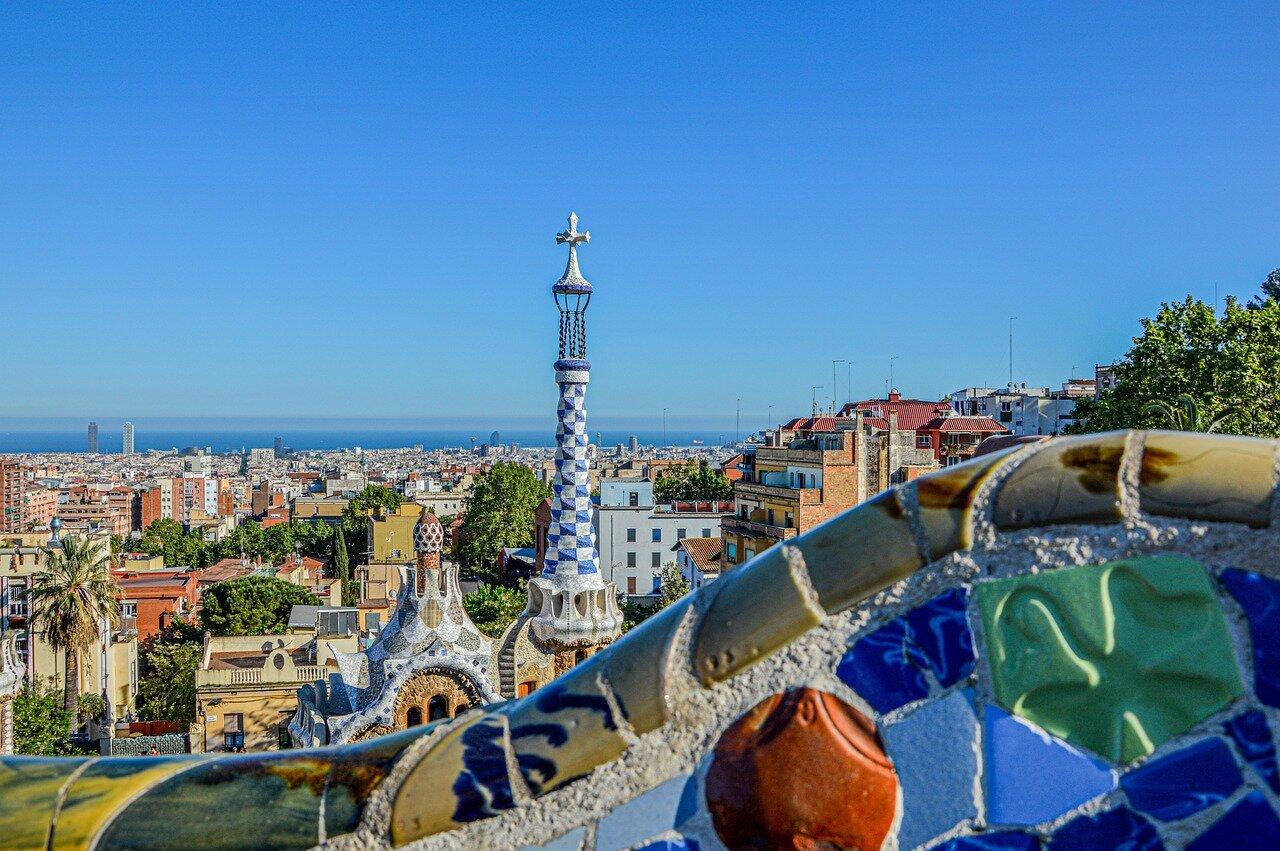
A neighborhood coffee bar is less a destination than a useful room in the day. At 08:00 it may serve workers coffee and toast at the counter; later it becomes a meeting point, a place for a short newspaper pause and, by lunchtime, something closer to a bar. The easiest way to belong for ten minutes is to read that rhythm before choosing a table.
Four orders cover most mornings
A cafè sol is an espresso. A tallat cuts espresso with a small amount of milk. A cafè amb llet contains substantially more milk and usually arrives in a larger cup. An americà lengthens coffee with water. Pronunciation does not need to be perfect: greeting the server, naming the drink and adding si us plau does more social work than performing fluency.
For decaf, ask for descafeïnat. If you want oat drink, Teniu beguda de civada? is a clear question, but alternatives are not universal. Cafè amb gel commonly means hot coffee served with a separate glass of ice; pour it yourself. Coffee with a splash of spirit is a different order and price, not a stronger version of a basic espresso.
Typical planning ranges in August 2026 were €1.40–2.50 for a simple coffee and €3–7 with toast or a pastry. A prominent terrace may cost more. Treat those as orientation, not a tariff: the displayed menu is what matters. The Catalan Consumer Agency is the official reference for consumer information and complaints; check the bar’s price list before ordering if a supplement is unclear.
The counter and terrace are different promises
Pause just inside. If staff greet and direct you, follow them. Otherwise, an open table may be self-seating, while a busy counter signals faster service. Ask before carrying a drink between interior and terrace because the two areas can have different service routines and prices.
Order food with the coffee when possible. Tomato bread, a pastry or a small sandwich can arrive while the machine is working; a cooked tortilla or esmorzar de forquilla follows a slower kitchen rhythm. If breakfast is the reason for the stop, use a bar that visibly serves it instead of expecting every espresso counter to improvise a meal.
Water may be bottled and charged, so ask rather than assume. Sugar, spoons and napkins often arrive on the saucer or sit at a shared point. Keeping bags off spare seats and returning used items only where staff expect them makes more difference than copying every gesture around you.
Ten minutes or a laptop session?
Many bars welcome lingering when tables are empty. That does not make every seat a workspace. A compact breakfast bar at 09:00 depends on turnover; a spacious café at 15:30 may be perfectly comfortable with a laptop. Look at the room, ask, and order again if you stay through more than one service cycle.
Calls belong outside. Headphones reduce your noise but do not shrink the computer, charger and bag occupying neighboring space. If staff begin resetting tables for lunch, that is a clearer signal than whether the Wi-Fi still works.
Tourist squares charge for position as much as coffee. Move one or two streets away if the view is not part of what you want to buy. The useful comparison is not “authentic” versus “tourist”; it is a quick counter stop versus a serviced terrace where the table itself has value.
Paying is part of reading the room
At some bars you pay at the counter; at others the server brings the bill or card terminal. A simple Puc pagar? resolves the ambiguity. Contactless payment is common, but coins remain useful for a tiny bill in a village or older premises. Tipping is optional rather than a fixed percentage.
A clean departure is uncomplicated: catch the server’s attention, settle the full bill, say gràcies and leave the table ready to clear. Regulars are recognized not because they know a secret coffee code, but because they return at a similar hour and understand what the bar is doing then. That is the culture worth learning.
Related guides
- Catalan Sunday Lunch: Planning the Long Meal Well
Reserve the right table, order a meal the group can finish and leave enough afternoon for coffee and conversation without racing a train.
- Shopping at a Catalan Municipal Market: An Everyday Routine
Shop a municipal market as working food infrastructure: arrive with one meal in mind, order clearly and leave the aisles usable.
- The Catalan Menú del Dia: How to Order a Weekday Lunch
Read the board, understand the courses and ask what is included before a fixed-price Catalan lunch becomes an avoidable guessing game.
Are you in the know?
Receive new articles, local updates, and occasional offers from selected partners. We never share your email address. Unsubscribe at any time.
By subscribing you agree to our privacy policy.