Food
Catalan Breakfast: What to Order at a Bakery or Bar
Choose between pastry, pa amb tomàquet, an entrepà or a cooked fork breakfast—and order at the hour each Catalan bar does best.
Catalan breakfast is not a fixed national platter. It can be an espresso and croissant taken standing at 07:30, toasted pa amb tomàquet with tortilla, a small entrepà during a mid-morning pause or, in the right rural bar, a substantial cooked esmorzar de forquilla. The useful question is not “What is authentic?” but “What does this place serve well at this hour?”
For fifteen minutes: coffee and pastry
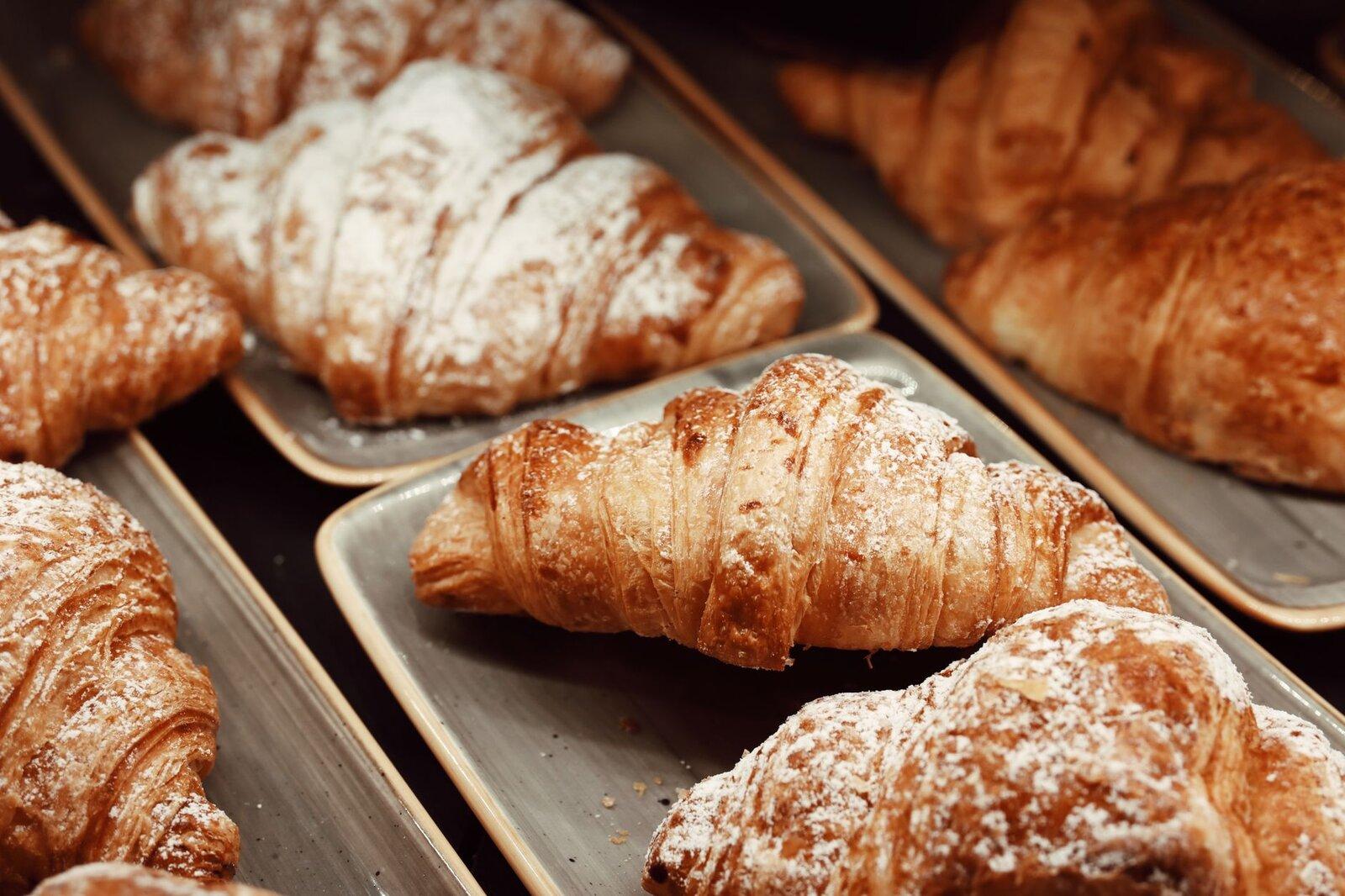
Choose a bakery when bread or pastry is the priority. A cafè amb llet i un croissant is enough for a quick start; a tallat has less milk, while a cafè sol is espresso. Expect roughly €3–5 for coffee and a simple pastry, depending on town and whether you sit on a prominent terrace.
Look at what is moving through the counter. A bakery with trays arriving from the back is a better place to ask about its morning pastry than a bar whose strength is tortilla and sandwiches. An ensaïmada may appear alongside croissants, but it is associated above all with Mallorca; eating one in Catalonia does not turn it into a specifically Catalan breakfast symbol.
Order both items together and step aside if the counter is busy. The social skill is clarity, not fluency: Bon dia, the drink, the food and si us plau are enough.
For half an hour: pa amb tomàquet and something savoury
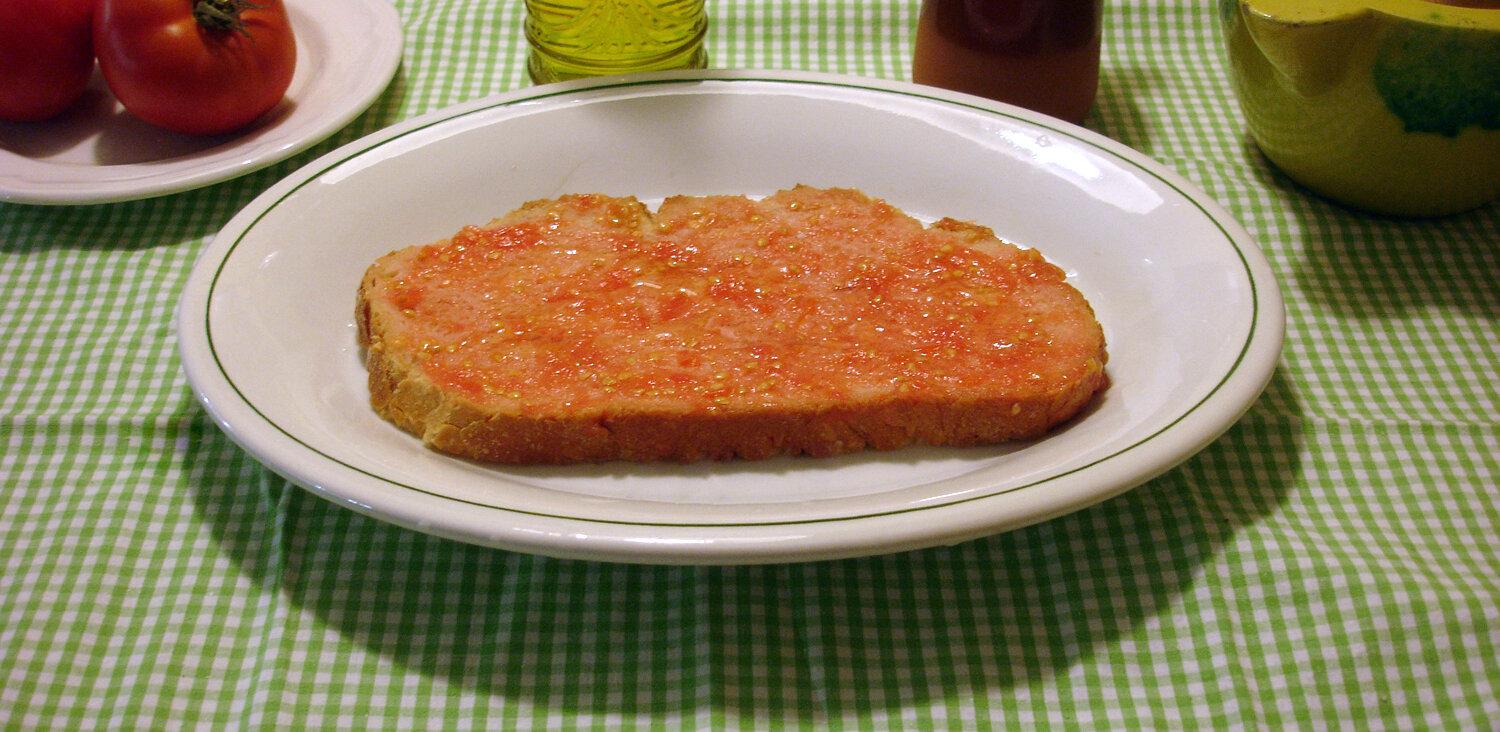
Pa amb tomàquet is bread rubbed with ripe tomato, dressed with olive oil and salt. The official Catalonia cuisine guide describes it as a fundamental Catalan preparation and notes that some restaurants provide the tomato and oil for diners to make it themselves.
At breakfast, order it alone or with tortilla, cheese, cured ham or botifarra. Some bars serve the tomato already rubbed; others bring crushed tomato. Neither presentation needs correcting from the table. A savoury breakfast with coffee generally falls around €6–12.
If you want toasted bread, ask for pa amb tomàquet torrat or point to the menu. If a cured meat matters, name it rather than ordering “Catalan ham.” Pernil salat, fuet and a cooked sausage are different foods with different prices.
The entrepà is the useful middle ground
An entrepà is a filled bread roll or section of loaf. It travels better through a sightseeing morning than a pastry and requires less ceremony than a cooked plate. Common fillings include tortilla, cheese, cured meats or grilled sausage, depending on the bar.
Ask whether the displayed sandwich is served cold or heated. In a busy bar, the prepared options usually show what can arrive quickly. Eat at the counter when seats are turning over, and keep a terrace table for a longer order if the venue separates service zones.
Market bars can be excellent because they serve workers and shoppers early, but each hall and stall keeps its own days. Verify the actual market rather than assuming every municipal market opens or serves hot food on Sunday.
Esmorzar de forquilla is a different commitment
Literally a “fork breakfast,” this is a substantial savoury meal eaten later in the morning. It might feature stews, grilled meat, offal, beans or other dishes from the day’s kitchen. It is not available everywhere, and it is not a tasting challenge tourists should demand from a pastry café.
Look for a bar that advertises esmorzars de forquilla or ask what is ready. Arrive in the mid-morning service window, allow 45–75 minutes and budget about €10–20 before extras. Portions and wine traditions vary; nobody needs alcohol to make the breakfast legitimate.
This meal makes sense before a physical rural day or as the main event itself. It makes less sense immediately before a large lunch booking. Do not stack food experiences merely because both appear on an itinerary.
Bakery, bar-granja or market counter?
A bakery prioritizes bread and pastry. A bar-granja often adds toast, sandwiches, tortilla and dairy drinks. A market bar may provide the broadest savoury choice but can be crowded during working hours. A specialty coffee shop is the best match for filter methods or beans discussed in detail, though its food may have little connection to local breakfast rhythm.
Read the menu outside, note whether people order at the bar and choose the venue whose visible service matches your appetite. Price ranges checked in August 2026 are planning estimates only; the posted menu and any terrace supplement govern the bill.
The strongest Catalan breakfast is rarely the largest. It is the combination that fits the next three hours: coffee and pastry for immediacy, tomato bread and tortilla for staying power, an entrepà for movement, or a fork breakfast when the morning meal deserves the whole table.
Related guides
- Beyond La Boqueria: How to Visit Catalan Food Markets Well
Shop La Boqueria and neighbourhood markets as working food halls, with better timing, useful vocabulary and a seasonal picnic plan.
- 10 Traditional Catalan Foods to Try During Your Trip
From pa amb tomàquet and calçots to suquet de peix and crema catalana—ten Catalan dishes and how to find them on your trip.
- Botifarra in Catalonia: What to Order and What Arrives
A practical guide to fresh and cooked botifarra, menu vocabulary, common pairings, market buying, portions, and typical meal costs.
Are you in the know?
Receive new articles, local updates, and occasional offers from selected partners. We never share your email address. Unsubscribe at any time.
By subscribing you agree to our privacy policy.