Food
Calçotada in Catalonia: How to Book, Order and Eat One
Book a proper calçotada in season, understand the set menu and sauce, and arrive ready for a long, messy winter lunch rather than a plate of onions.
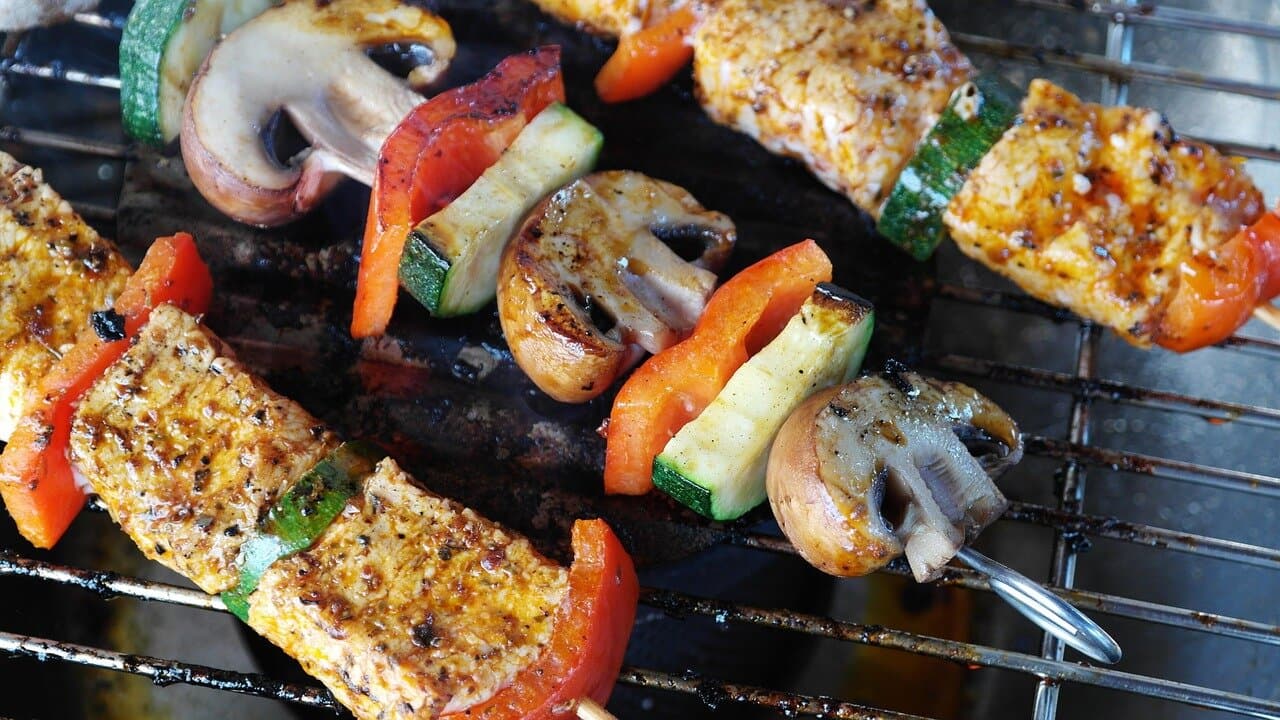
A calçotada begins with food that looks ruined. Long green onions emerge from the fire blackened and smoking, arrive wrapped to keep their heat, and leave ash on hands, bibs and occasionally faces. Beneath the burnt outer layer is the tender white calçot, sweet enough to explain why an entire winter meal is built around it.
This is not a side dish added to an ordinary lunch. A traditional restaurant calçotada is a sequence: calçots and sauce, grilled meat with accompaniments, dessert and often wine. Allow two to three hours and arrive hungry, but not so hungry that the first bundle becomes a race.
November to April is the real season
Valls identifies itself as the origin city of the calçotada. Its official tourism account places the season from November to April, with winter at its heart. Harvest and restaurant calendars vary, so January through March offers the strongest overlap without turning a seasonal food into a rigid date rule.
Outside that period, eat what the kitchen is proud to serve now. A token plate of tired calçots in summer does not reproduce the event, because season, fire and a table prepared for the full menu are part of the taste.
Valls and the Alt Camp are the reference destination, though restaurants across Catalonia offer the meal. A rural masia provides fire, space and long-table atmosphere; a town restaurant may remove the need for a designated driver. Choose the transport before choosing the picturesque dining room.
Ask what the calçotada menu actually includes
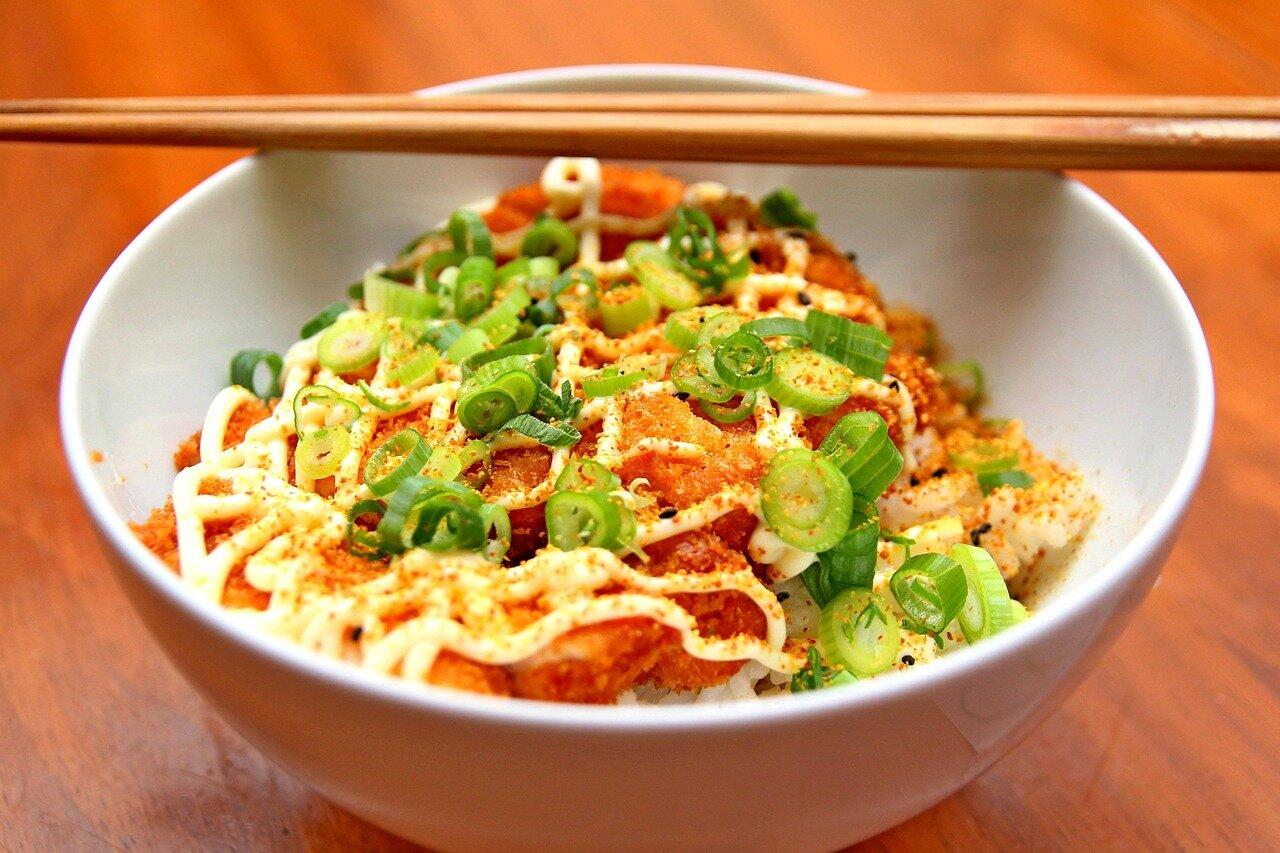
Set menus commonly bundle calçots, sauce, grilled lamb or sausage, beans or potatoes, dessert and drinks, but “calçotada menu” is not a regulated promise of identical courses. Ask whether calçots are unlimited or served in a fixed quantity, which meats follow them, and whether wine, water, coffee, bread and VAT are included.
Allow roughly €35–65 per adult as a planning range. Premium meat, generous drink packages and weekend destination restaurants can exceed it. Children’s menus may replace the food rather than reduce the same sequence, so ask what a child will actually receive.
Dietary questions belong in the reservation. The traditional sauce described by Valls Tourism contains almonds and hazelnuts alongside roasted tomato, garlic, oil, vinegar, parsley and salt. Recipes vary, cross-contact is likely around a busy grill, and bread may be involved. A vegetarian main course, gluten-free service or safe nut-free meal must be confirmed by the restaurant, not inferred from the vegetable first course.
Peeling is part of the pleasure
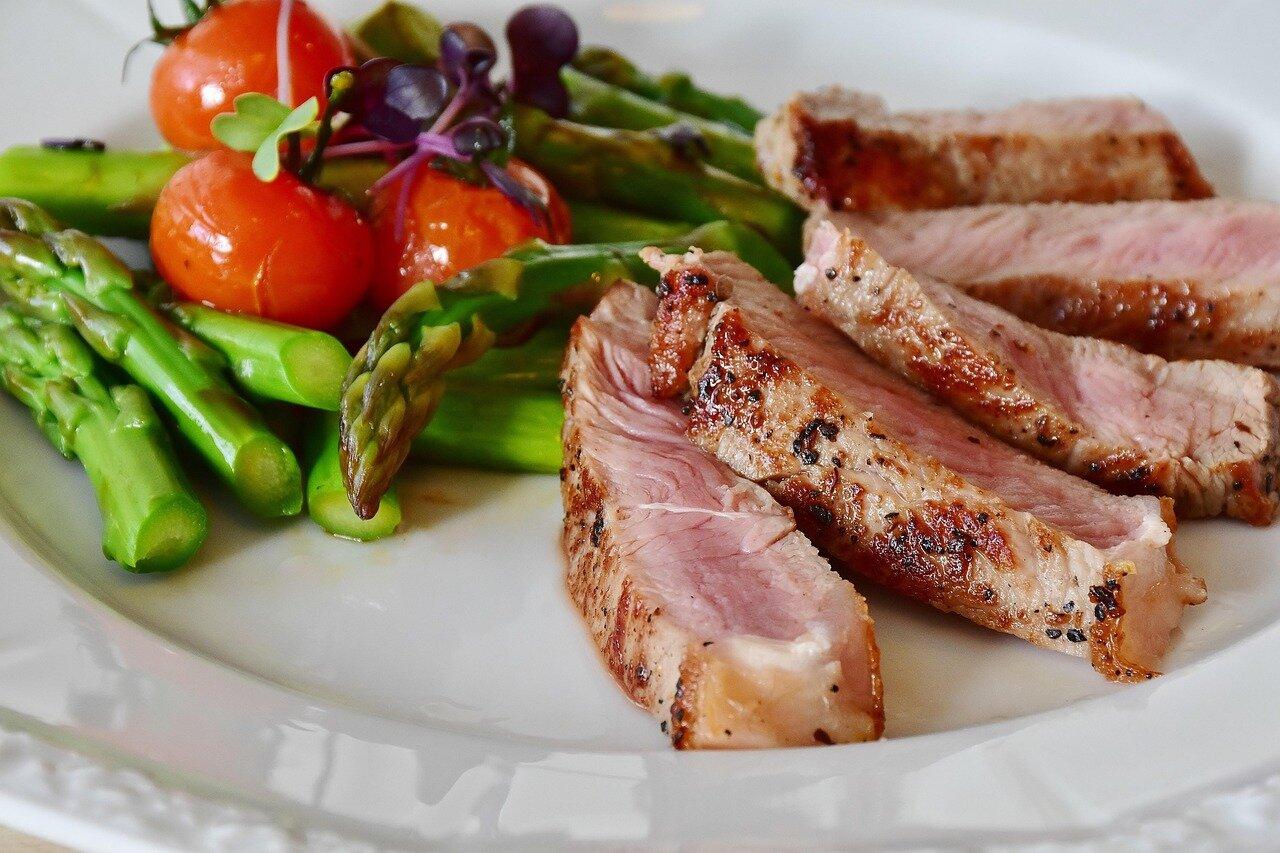
Hold the calçot by its green leaves, pull away the charred outside and dip the pale end into sauce. Raise it above the mouth and lower the bite in. The bib is practical, not ceremonial costume; use it and keep a napkin nearby.
Watch the table before attempting to perform expertise. The movement becomes natural after two or three calçots, and nobody needs a rehearsed display for a camera. Ash on fingers is expected. Ash on another diner’s coat because a bundle was waved around is not.
The sauce should accompany rather than bury every bite. Its toasted nuts, acidity and roasted vegetables bridge the sweet onion and the meat that follows. Once the calçots disappear, the meal becomes slower and more familiar: grill, beans, bread, wine and conversation.
Wine requires a return plan
Traditional wine service can feel casual and plentiful. If the restaurant requires a car, nominate the non-drinking driver before arrival. For a group, price a return taxi or coach in writing and keep the pickup time flexible enough for a meal that rarely ends exactly on schedule.
Valls can be reached by public transport, but a rural restaurant may still sit far from the station. A train plus two taxis can cost more than expected and fail at the return if only the outward car is reserved. The town-centre option is often the more relaxed meal for visitors without a driver.
The Gran Festa is not a restaurant lunch
Valls holds the Gran Festa de la Calçotada on the last Sunday of January. It fills the city with demonstrations, competitions and public eating, creating a lively introduction to the tradition but a different experience from sitting through a restaurant menu.
For a first calçotada, decide which experience is wanted. At the festival, use the current programme for tickets, locations and traffic. For deeper context on another day, Valls Tourism lists the one-hour “Valls, land of calçots” route during the November–April season.
A restaurant table lets the food keep its own pace. The final pleasure is not mastering the peel or counting how many onions disappeared; it is discovering that a blackened winter crop can hold a group at lunch for an entire afternoon.
Related guides
- Suquet de Peix: How to Order Catalonia's Fish Stew
Ask the right questions about fish, minimum portions and price before ordering suquet de peix in a Catalan coastal restaurant.
- Crema Catalana or Flan? How to Order the Better Dessert
Tell crema catalana from flan, ask whether it is made in-house and choose a good Catalan dessert without ordering by obligation.
- Escalivada Explained: Ordering Catalonia’s Roasted Vegetables
Learn what escalivada contains, how to order it, when toppings change the dish and what to expect from market counters and restaurant menus.
Are you in the know?
Receive new articles, local updates, and occasional offers from selected partners. We never share your email address. Unsubscribe at any time.
By subscribing you agree to our privacy policy.