Food
How to Choose a Barcelona Tapas Tour That Is Actually a Meal
Compare Barcelona tapas tours by group size, neighbourhood, amount of food and time at the bar—not by a heroic number of stops.
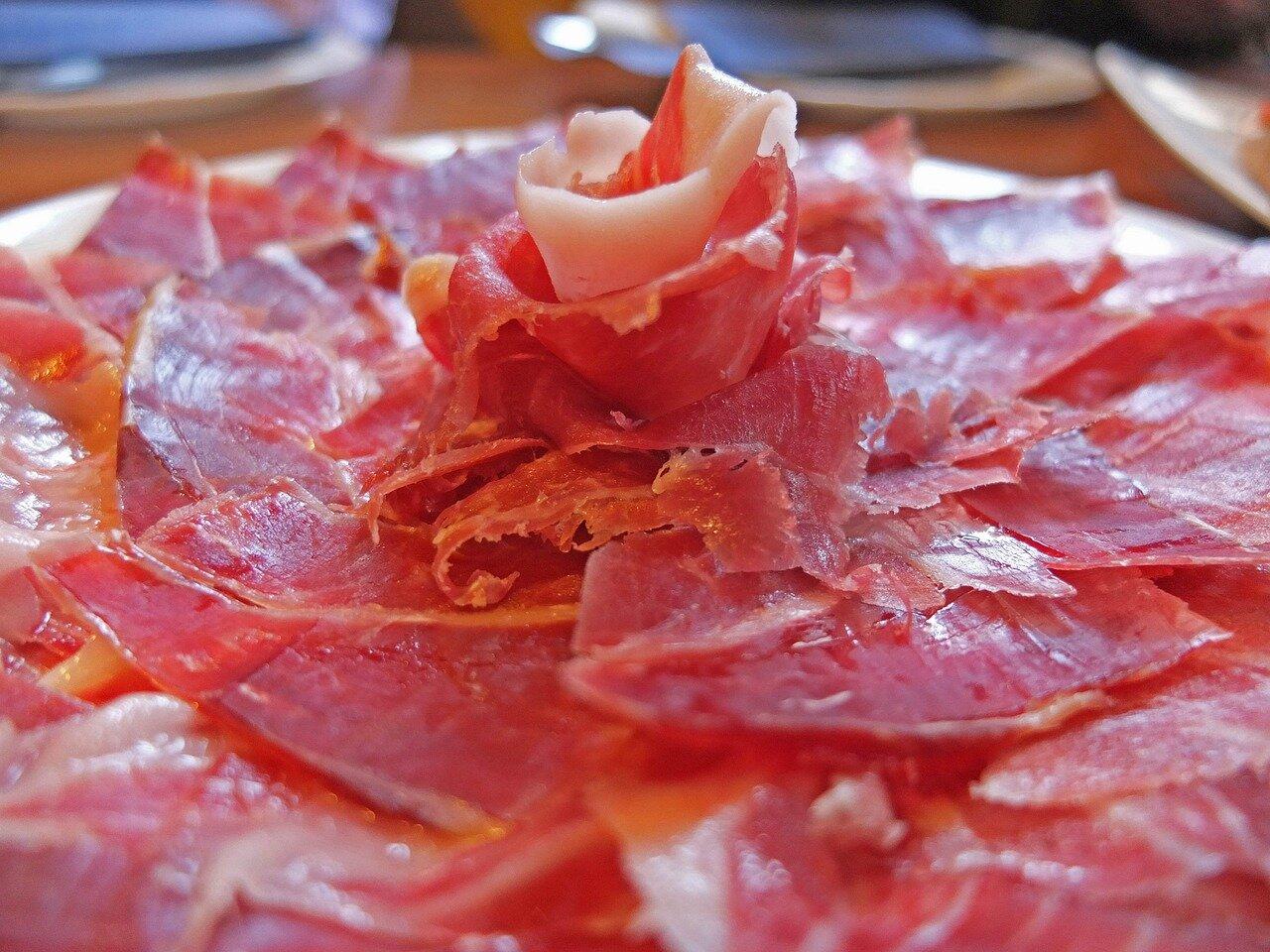
A good tapas tour teaches you how to enter a bar, read what it does well and share food at the pace of the room. A weak one counts stops, pours drinks quickly and leaves guests wondering whether “tastings included” was supposed to mean dinner.
Barcelona Turisme's restaurant overview places tapas alongside set menus, Catalan cooking and the city's wider restaurant culture. That is the useful frame: tapas are one way of eating, not a compulsory catalogue of famous bites.
Read the inclusions as a menu
Before paying, ask for the maximum group size, approximate number of savoury portions, drinks, non-alcoholic alternatives and whether the quantity replaces an evening meal. “Four venues” says nothing about whether each guest receives a plate or one mouthful from a shared dish.
Tell the operator about allergies and dietary requirements before booking, not when the first kitchen is already plating food. Ask whether every stop can accommodate the restriction. A vegetarian substitute at one bar does not solve a tour whose remaining tastings depend on shellfish or cured meat.
Compare small-group Barcelona food tours, then verify the exact meeting point, finishing neighbourhood, walking distance, seating, inclusions and cancellation terms. “Private” and “small group” are different products.
Choose one neighbourhood lesson
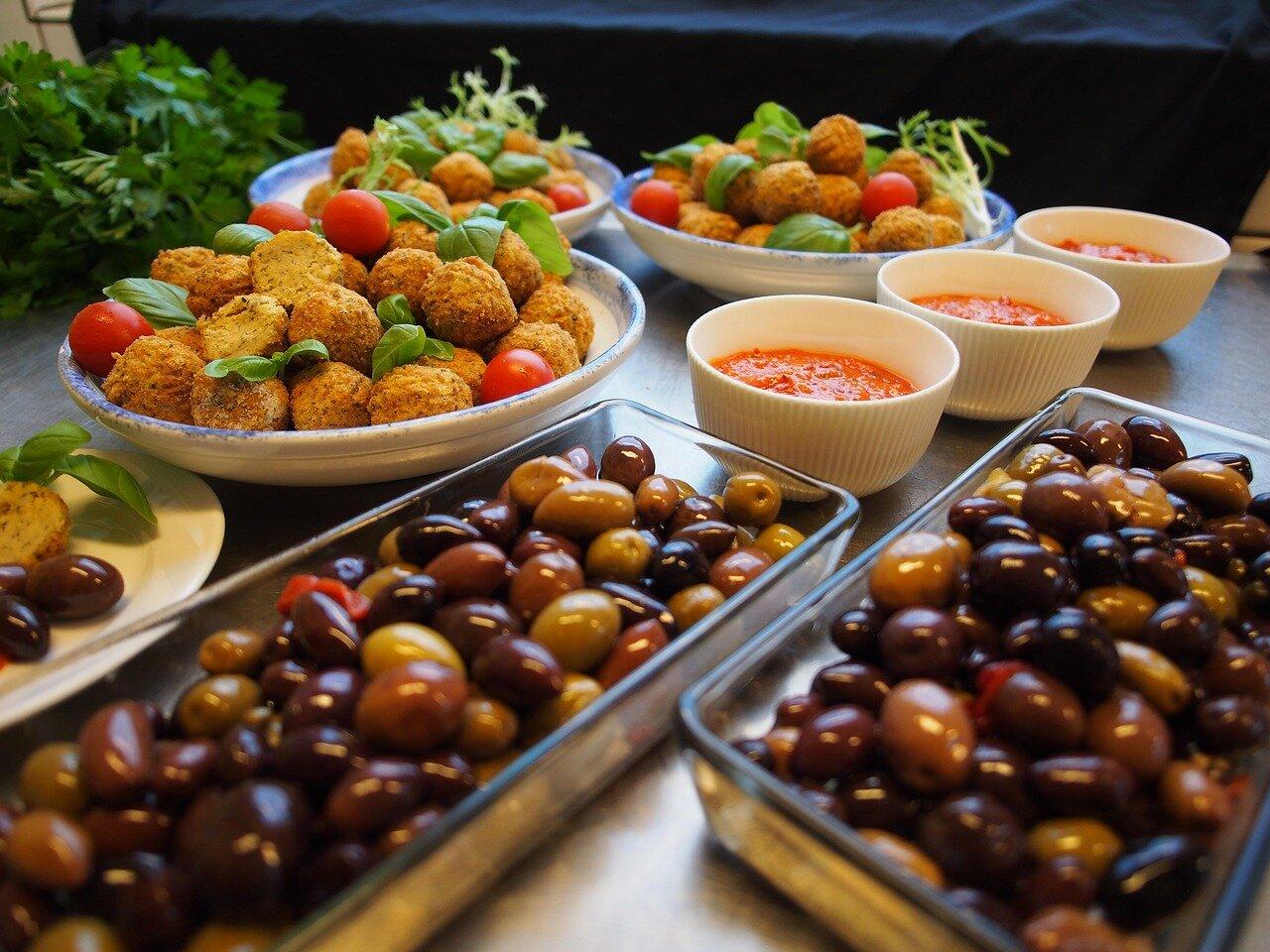
The Gothic Quarter and El Born can combine central history with food, but popular lanes also reward generic tourist menus. Sant Antoni, Poble-sec and Gràcia offer different residential and evening rhythms. No district guarantees authenticity; the guide's relationships, explanation and choice of working bars matter more than a fashionable postcode.
A compact route is usually better than taking the metro between headline venues. Three hours with time to sit, order and talk can reveal more than five rushed stops. Evening starts fit dinner hours, while afternoon products must explain which kitchens are serving throughout the route.
Notice how the tour treats the bars
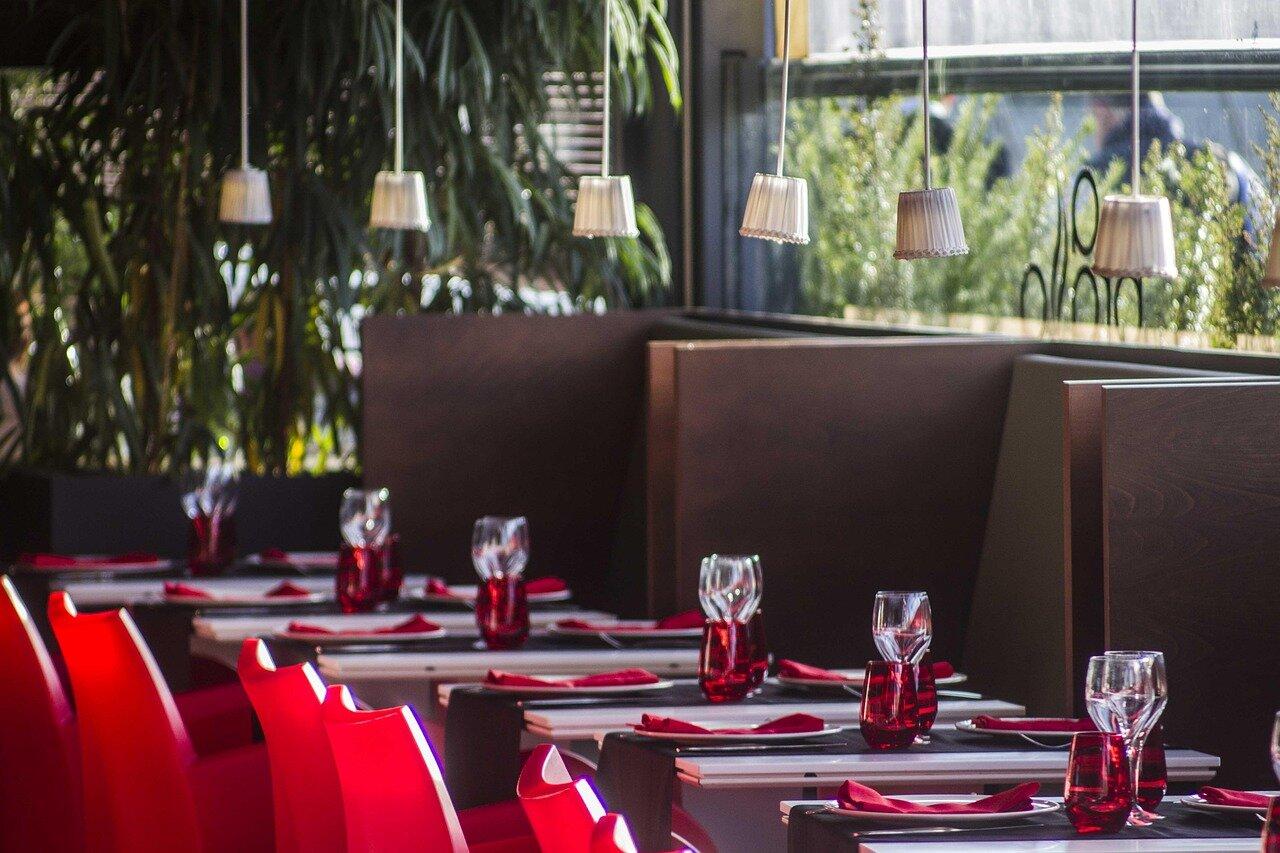
The group should not block the entrance, photograph other diners without consent or demand that a crowded counter become a stage. A thoughtful guide explains whether to stand, sit, share and order another round. They also move the group on when the reservation ends.
Expect roughly €70–130 per person for a small-group culinary tour as a broad planning range. Price depends on group size, food, drinks and guide time. Compare cost per person only after confirming taxes and what the final meal actually replaces.
Arrive neither fasting nor full, pace alcohol with water and leave the next reservation flexible. If the tour is cancelled or sold out, choose one neighbourhood and have a normal meal rather than copying an operator's stop list; group access and pre-arranged dishes may not exist for an independent visitor.
The best outcome is not learning ten restaurant names. It is leaving able to recognize a bar's speciality, ask what is good today and order enough for the table without turning every plate into a test of authenticity.
Confirm group size, menu quantity, dietary handling, route, access and cancellation before booking.
Related guides
- Girona Food Tour Before Lunch: What a Three-Hour Route Should Cover
A checklist for choosing a compact Girona food tour that connects market culture, local products, and a realistic lunch-sized tasting.
- Tarragona Central Market: A Morning of Shopping and Eating
Shop Tarragona's Mercat Central without obstructing its working morning, then turn a few local purchases into breakfast, lunch or a safe journey home.
- Suquet de Peix: How to Order Catalonia's Fish Stew
Ask the right questions about fish, minimum portions and price before ordering suquet de peix in a Catalan coastal restaurant.
Are you in the know?
Receive new articles, local updates, and occasional offers from selected partners. We never share your email address. Unsubscribe at any time.
By subscribing you agree to our privacy policy.